Market Overview
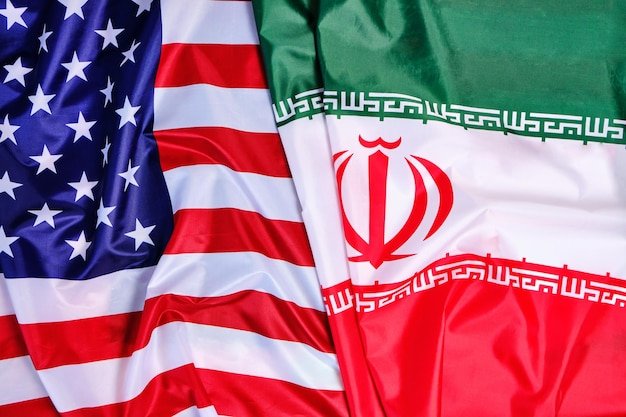
Prediction markets are currently valuing the probability of a US-Iran permanent peace deal by May 31, 2026 at 22.5%, unchanged from 24 hours prior. The $10 million in volume suggests moderate but steady market interest in the question. The stable probability indicates traders are not anticipating near-term developments that would materially alter the likelihood of negotiations, even as the 18-month timeframe allows sufficient runway for diplomatic initiatives to unfold.
Why It Matters
A permanent peace agreement between the United States and Iran would represent one of the most significant geopolitical developments in decades, fundamentally reshaping Middle Eastern security architecture and ending a period of escalating military tensions that has included airstrikes, drone attacks, and naval confrontations. The resolution criteria explicitly require a binding written agreement or mutual public confirmation of a lasting end to military hostilities—a high bar that excludes temporary ceasefires or diplomatic breakthroughs that fall short of formal peace arrangements. The market's assessment carries implications for regional stability, oil prices, and US foreign policy, making it a bellwether for traders monitoring Middle Eastern risk.
Key Factors
Several structural factors constrain the probability. Decades of mistrust, competing geopolitical interests in Iraq and Syria, divergent views on Iran's nuclear program, and competing regional alliances create formidable obstacles to permanent peace. Domestic political constraints in both countries—where hardliners on each side oppose accommodation—further reduce the window for sustained negotiations. The two-year timeframe, while not negligible, is compressed relative to the pace of previous major diplomatic breakthroughs in the region. However, the market's 22.5% probability is not negligible, suggesting traders assign meaningful weight to scenarios in which new administrations, economic pressure, or a dramatic catalyst could catalyze negotiations. Recent history includes periods of talks around the Joint Comprehensive Plan of Action, demonstrating that high-level engagement, though contentious and ultimately fragile, remains within the realm of possibility.
Outlook
Movement in this market will likely depend on shifts in US domestic politics, changes in regional conflict intensity, or signals from either government indicating renewed appetite for talks. A change in US administration following the 2024 election could alter negotiating positions. Escalations in proxy conflicts or direct military confrontations could either increase pressure for de-escalation or entrench opposing sides further. Traders should monitor official statements from US and Iranian officials, as well as indirect signals through intermediary nations, for signs that the diplomatic calculus is shifting. The current probability reflects a skeptical but non-negligible view—consistent with a market assigning low but non-zero odds to an outcome widely seen as difficult but not impossible.