Market Overview
Prediction markets are pricing the probability of Iran losing control of Kharg Island by May 31, 2026, at 7.5%, suggesting traders view such a scenario as unlikely within the 17-month timeframe. The market has shown stability, with the probability unchanged over the past 24 hours despite robust trading activity totaling over $4 million in volume. The resolution criteria are exacting: temporary military actions, naval presence, or bombardment do not qualify, and control must be firmly established by another state or occupying force to trigger a \"Yes\" resolution.
Why It Matters
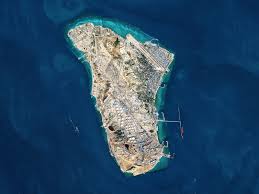
Kharg Island holds significant strategic and economic importance as a major hub for Iran's oil export infrastructure. Located in the Persian Gulf, the island serves as a terminal for offshore oil production and is therefore a critical asset to Iran's energy economy. Any loss of Iranian control would represent a major geopolitical shift in the Gulf region and could substantially disrupt global oil supply chains. The market's low probability reflects the military realities: seizing and holding a fortified Iranian-controlled island in the Persian Gulf would require substantial military capability and sustained commitment from a capable adversary.
Key Factors
Several dynamics inform the current 7.5% pricing. First, Iran maintains a significant military presence on the island with air defenses and naval capabilities. Second, any effort to dislodge Iran would likely require either a major regional conflict or a negotiated settlement—neither of which appears imminent as of early 2026. Third, the resolution criteria require not just military action but the establishment of stable, undisputed control, a notably high bar that excludes temporary incursions or contested situations. The market appears to price in the status quo holding firm absent a dramatic escalation in Gulf tensions or a broader regional conflict that reshapes the strategic environment.
Outlook
For the probability to shift materially higher, traders would likely need evidence of credible military planning by a capable state, renewed regional conflict escalation, or diplomatic signals pointing toward a settlement that includes Iranian withdrawal. Conversely, continued stability in the Persian Gulf and absence of major new provocations would likely reinforce the current low probability. The market will remain sensitive to geopolitical developments—particularly any major U.S.-Iran tensions, Israeli military actions in the region, or escalations involving Gulf states—that could shift assessments of the likelihood of conflict large enough to threaten Iranian control of critical infrastructure.