Market Overview
The prediction market on whether Iran will publicly agree to end all uranium enrichment by April 30, 2026, is currently pricing the outcome at 25.1%, following a dramatic 21.7-percentage-point decline over the past 24 hours. The market has drawn significant trading activity, with over $1.2 million in volume, indicating sustained participant interest despite the recent repricing downward. The sharp movement suggests either new information emerged that reduced deal prospects, or traders reassessed earlier optimism about diplomatic progress.
Why It Matters
Iran's uranium enrichment program remains one of the most contentious issues in global nuclear diplomacy and Middle East geopolitics. An Iranian agreement to cease enrichment entirely—rather than merely capping it below weapons-grade levels—would represent a substantial concession in any negotiation. The market's resolution criteria specifically exclude agreements to limit or reduce enrichment; only a complete cessation qualifies. Such an outcome would indicate a fundamental shift in either Iran's negotiating position or in regional dynamics, with implications for U.S.-Iran relations, Israeli security concerns, and broader Middle East stability.
Key Factors
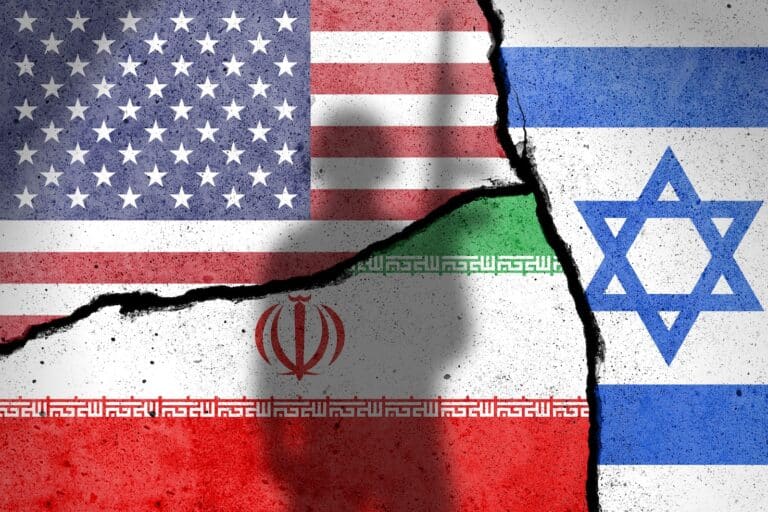
Multiple variables will influence whether Iran makes such a commitment within the specified timeframe. The current geopolitical environment, marked by tensions between Iran and Israel, competing claims to regional influence, and U.S. policy uncertainty, presents obstacles to agreement. Any breakthrough would likely require high-level diplomatic engagement, possibly involving multiple parties beyond direct Iran-U.S. negotiations. The market's recent decline from nearly 47% to 25% may reflect assessments that current political conditions make comprehensive uranium enrichment cessation—as opposed to negotiated caps—unlikely within approximately 16 months. Domestic political constraints in Iran also matter; any major concession faces scrutiny from hardline factions.
Outlook
The market's current 25.1% probability reflects a base case of skepticism, though the possibility remains open. Developments that could shift odds upward include breakthrough multilateral talks, significant changes in regional political leadership or posture, or emerging security arrangements that provide Iran sufficient assurances to justify such concessions. Conversely, further deterioration in diplomatic relations or escalation of regional conflicts would likely push probabilities even lower. Traders should monitor official statements from Iranian leadership, progress in nuclear talks if they resume, and shifts in U.S. and Israeli policy approaches toward Iran.