Market Overview
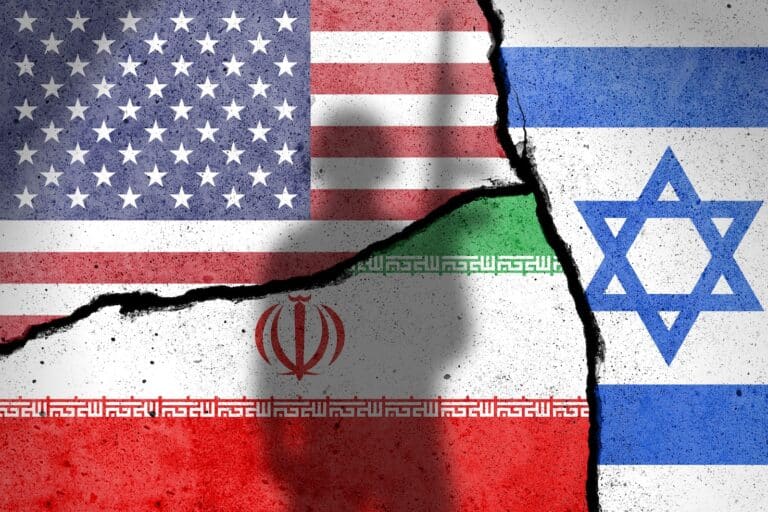
The probability that Iran will agree to end uranium enrichment entirely by April 30, 2026 stands at just 2.2%, down from 2.9% a day earlier. With $1.76 million in volume, the market reflects traders' deeply skeptical assessment of breakthrough nuclear diplomacy in the coming months. The question is structured broadly—accepting unilateral Iranian announcements, bilateral U.S. agreements, Israeli deals, or pledges made as preconditions to broader peace processes—yet even this inclusive standard is priced as a near-certain non-event.
Why It Matters
Iran's nuclear program remains one of the most consequential geopolitical flashpoints. Complete cessation of enrichment would represent a historic capitulation from Iran's position that enrichment is an inalienable right under the Nuclear Non-Proliferation Treaty. Such an agreement would likely be a centerpiece of any major regional settlement and could reshape Middle Eastern security architecture. Conversely, the 2.2% pricing signals market participants see no imminent pathway to such a concession, even over a 16-month window.
Key Factors Driving Low Probability
The market's low odds reflect several structural obstacles. Iran has consistently maintained that enrichment is non-negotiable and central to its energy sovereignty and deterrence posture. Previous diplomatic frameworks—notably the 2015 JCPOA—permitted enrichment under strict limits but did not require its cessation. Current regional tensions, including Israeli strikes and tit-for-tat exchanges, have hardened positions rather than opened diplomatic channels. The timeframe is also compressed; 16 months is a short window for fundamental shifts in Iranian policy after years of escalation. Additionally, domestic Iranian politics incentivize resistance to external pressure, making public agreement to end enrichment politically costly for any Iranian leadership. The resolution criteria require a complete halt, not caps or limitations—a threshold far higher than most historical negotiations have achieved.
Outlook
For the probability to move materially higher, several developments would be needed: a major shift in U.S.-Iran relations following potential diplomatic overtures, successful de-escalation in Gaza or broader Middle East tensions, or a signal from Iran's leadership that enrichment could be traded for sanctions relief and security guarantees. Even under optimistic scenarios, traders appear to believe such reversals are unlikely within the 16-month window. The market will likely remain in the 1-4% range absent dramatic geopolitical realignment, with any uptick requiring concrete evidence of high-level diplomatic engagement focused on uranium enrichment specifically.