Market Overview
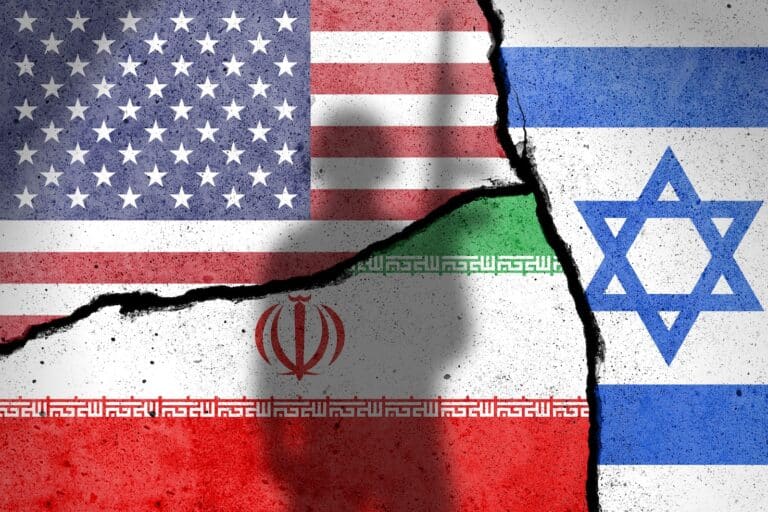
Prediction markets are currently assigning a 37% probability to the announcement of an official US-Iran nuclear agreement by the end of June 2026. The market has seen light activity with approximately $1.4 million in volume, and recent movement has been gradual, with odds rising just two percentage points over the past 24 hours. The relatively low baseline probability, despite the 18-month timeframe remaining, underscores trader skepticism about near-term diplomatic progress on one of the world's most intractable geopolitical disputes.
Why It Matters
A US-Iran nuclear accord would represent a major shift in Middle Eastern geopolitics and global nonproliferation efforts. The 2015 Joint Comprehensive Plan of Action (JCPOA) demonstrated that comprehensive nuclear agreements between Washington and Tehran are technically achievable, yet its subsequent unraveling under the Trump administration in 2018 created deep mistrust on both sides. Any new deal would need to overcome not only technical disagreements over uranium enrichment levels and inspection protocols, but also broader questions about sanctions relief, regional proxy conflicts, and domestic political opposition in both countries. The market's current pricing reflects these substantial obstacles.
Key Factors
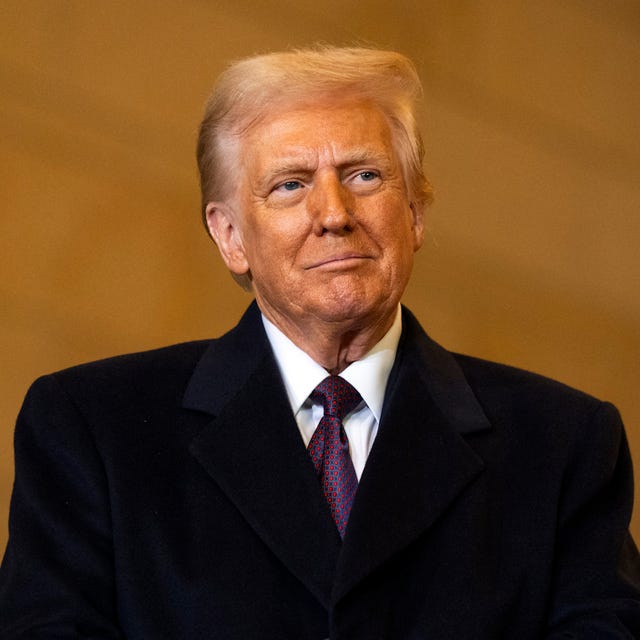
Several structural factors are likely constraining market odds. The incoming or current US administration's stance toward Iran represents perhaps the single most consequential variable—diplomatic appetite for nuclear negotiations has historically depended on which party controls the White House. Iran's domestic political situation, including pressure from hardliners opposed to Western engagement, similarly affects negotiating flexibility. Technical issues remain unresolved: the extent of uranium enrichment Iran would be permitted, the scope and intrusiveness of international inspections, and the timeline for sanctions relief have been persistent sticking points. Additionally, Iran's ballistic missile program and its support for regional militias represent issues that complicate nuclear-specific discussions. The 18-month timeline—while not negligible—is shorter than the timeframe required for the JCPOA negotiations, which took roughly two years of intensive talks.
Outlook
For the probability to move substantially higher, markets would likely require evidence of high-level diplomatic engagement, such as announced negotiations or statements signaling willingness from both governments to discuss terms. A shift in US political leadership favoring negotiation, or statements from Iranian officials indicating reduced maximalist positions, could shift odds materially upward. Conversely, new sanctions, military confrontations, or hardened rhetoric from either side would likely push the probability lower. The market appears to be pricing in skepticism about near-term diplomatic breakthroughs while acknowledging that such agreements, when they do occur, often move quickly once conditions align.