Market Overview
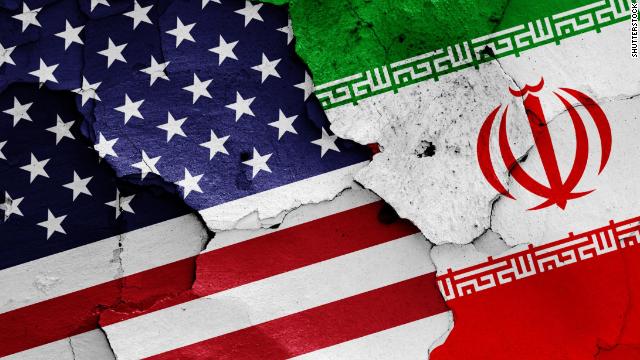
Prediction markets are currently assigning a 2.6% probability to the fall of Iran's Islamic Republic by May 31, 2026. The market has remained stable at this level over the past 24 hours, with substantial liquidity of $12.4 million in traded volume, indicating genuine engagement from participants on both sides. The low but non-zero odds reflect a consensus view that while regime change in Iran carries tail risk, the structural barriers to rapid, comprehensive collapse within the specified timeframe are formidable.
Why It Matters
Iran's political stability carries significant implications for regional geopolitics, energy markets, and international security architecture. The Islamic Republic has proven remarkably resilient through four decades of revolution, war, sanctions, and internal strife. Whether the regime could face near-term systemic collapse versus gradual reform or incremental succession remains a critical question for policymakers, investors, and analysts tracking Middle Eastern developments. The prediction market's treatment of this question provides a quantified gauge of tail-risk probability that institutional actors are willing to trade at current rates.
Key Factors
Multiple structural considerations inform the market's subdued probability assignment. First, the Islamic Republic's core institutions—particularly the Supreme Leader's office, the Guardian Council, and the Islamic Revolutionary Guard Corps—maintain deep roots in state apparatus, security services, and ideological infrastructure that have withstood previous internal and external pressures. Second, any regime change scenario requires not merely elite power shifts but a complete transfer of sovereign control across diverse regions and populations, a threshold the market's resolution criteria explicitly require. Third, the 17-month timeframe is comparatively short for revolutionary transformation; most modern regime changes occur through protracted processes rather than rapid collapse. Ongoing economic discontent, periodic protest movements, and international isolation create underlying fragility, yet these conditions alone have proven insufficient to trigger systemic breakdown in recent decades.
Outlook
The market's current pricing suggests traders view near-term regime collapse as a genuine but remote contingency. Developments that could shift this assessment include rapid military debacles, sudden elite fracture around succession following the Supreme Leader's death or incapacity, or widespread security force defections during major civil unrest. Conversely, successful regime consolidation through economic adjustment or diplomatic opening could further compress the probability. The stability of odds at 2.6% indicates the market has reached a baseline risk valuation that balances acknowledgment of Iran's underlying political fragility against the demonstrated institutional durability of the Islamic Republic's governing structures.