Market Overview
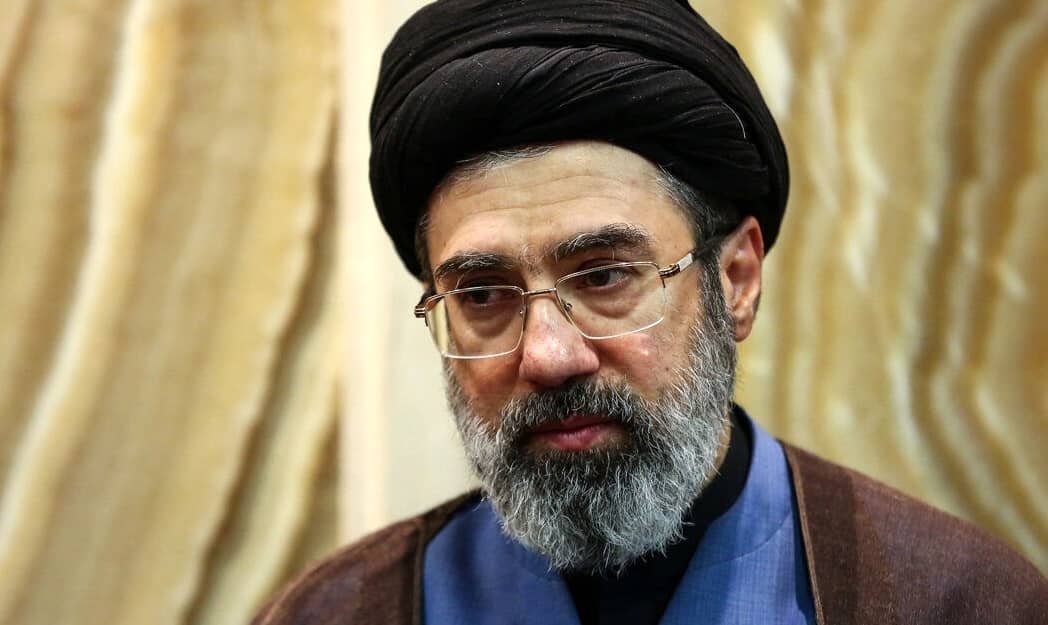
Prediction markets are currently assigning a 6.5% probability to a change in Iran's leadership by April 30, with trading volume reaching approximately $3 million. The modest probability reflects market expectations that Mojtaba Khamenei, who assumed the role of Supreme Leader following his father's death in 2024, will retain control over Iran's governance structures through the specified timeframe. The slight downward movement from 7.5% a day prior suggests marginal consolidation of confidence in continuity rather than any discrete catalyzing event.
Why It Matters
The succession of power within Iran's Supreme Leader position carries significant geopolitical implications. As the highest authority in Iran's theocratic system, the Supreme Leader wields ultimate control over the military, judiciary, and state media. Any disruption to this leadership would signal fundamental instability within Iran's governing institutions and could reshape regional dynamics, particularly regarding Iran's nuclear negotiations, relationships with neighboring states, and proxy activities. For international observers and investors, the stability of this succession is a key indicator of broader Iranian political predictability over the coming months.
Key Factors
Several structural elements inform the market's low-probability assessment. Mojtaba Khamenei's assumption of the role appears to have proceeded without significant institutional resistance, suggesting consolidation of power among key constituencies within the Revolutionary Guards, judiciary, and religious establishment. The timeframe under consideration—roughly five months—is relatively short for major political upheaval in a system where power transitions typically occur through long-term succession planning rather than sudden ruptures. Health concerns, though periodically circulated in speculation about senior Iranian figures, have not been substantiated through credible reporting. International sanctions and regional tensions, while ongoing, do not appear to have destabilized the formal mechanisms through which the Supreme Leader exercises authority. The resolution criteria—requiring removal from power, detention, or loss of de facto leadership—sets a high bar, effectively excluding scenarios of diminished influence or internal factional challenges absent formal removal.
Outlook
The market's pricing suggests confidence in leadership continuity through April 30, though the 6.5% probability assigned to change reflects residual uncertainty inherent in any political system. Developments that could shift this probability upward would include credible reporting of serious health crises, documented internal power struggles leading to formalized removal proceedings, or extraordinary security events. Conversely, continued stable governance and routine consolidation of institutional support would likely compress the probability further. The relatively modest volume and subtle price movement suggest this market currently occupies a lower-priority status among prediction market participants, with baseline expectations of stability driving pricing rather than active contestation over near-term succession likelihood.