Market Overview
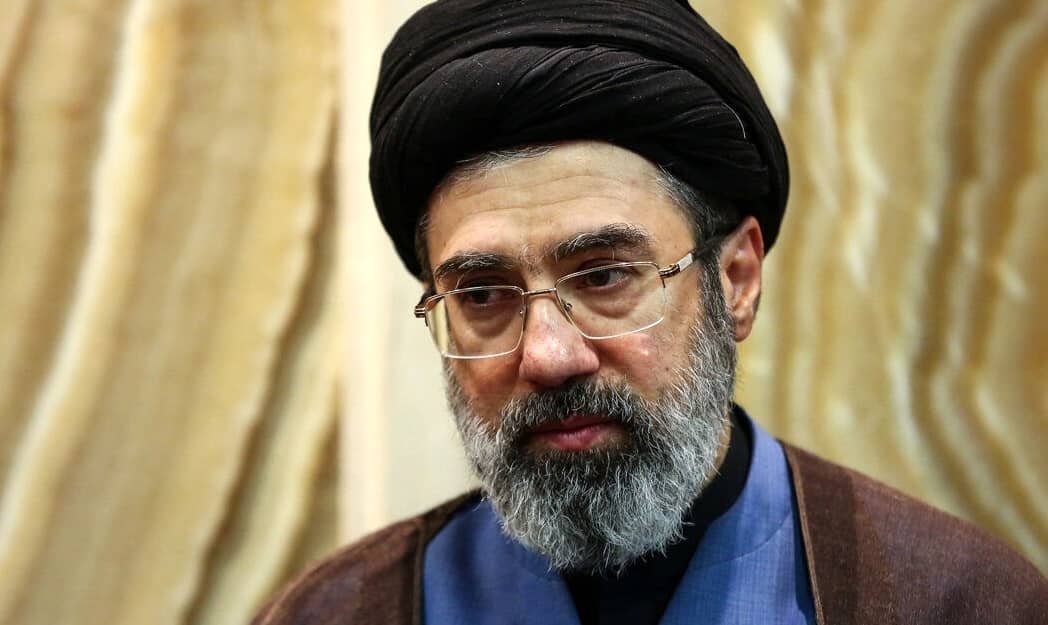
Prediction market participants are assigning roughly one-in-three odds to a leadership transition in Iran's supreme authority before year-end, with $2.1 million in accumulated trading volume reflecting significant interest in the outcome. The market specifically tracks whether Mojtaba Khamenei—son of former Supreme Leader Ayatollah Ali Khamenei and widely viewed as his likely successor—will cease to be Iran's de facto leader through removal, detention, resignation, or incapacity. The 33.5% probability represents a material contingency risk, distinct from the baseline assumption of continuity under current leadership structures.
Why It Matters
Iran's succession dynamics carry outsized geopolitical implications given the country's regional influence, nuclear program, and role in Middle Eastern conflicts. The current Supreme Leader, Ayatollah Ali Khamenei, is 85 years old, making succession questions periodically salient among investors, policymakers, and analysts tracking Iranian stability. A change in de facto leadership—whether through constitutional succession, internal power struggles, or external pressure—would signal fundamental shifts in decision-making authority over Iran's foreign policy, military posture, and strategic alignments. The market's mid-range pricing suggests traders view the probability as real but not imminent, incorporating both the structural uncertainty inherent in closed political systems and the relatively short remaining timeframe.
Key Factors
Several dynamics inform the current odds. Health and succession timelines represent the primary structural driver: any acute health event affecting either the Supreme Leader or his designated successor could accelerate transition mechanisms. Internal factional competition within Iran's leadership—between hardline Revolutionary Guards, pragmatist factions, and clerical hierarchies—creates underlying instability that could precipitate power consolidation or removal of particular figures. Additionally, external pressures including international sanctions, regional military tensions, and potential U.S. policy shifts following the 2024 presidential election create additional uncertainty for Iranian leadership stability. The market's modest 33.5% reading suggests traders assign these factors material but not dominant probability weight, with roughly two-in-three odds favoring leadership continuity through year-end.
Outlook
The remaining weeks of 2024 are narrow for a major succession event, constraining the plausible mechanisms for resolution. Any significant health announcement, public power struggle, or documented detention would likely trigger sharp price movement and potential early resolution. Market participants should monitor Iranian official media for leadership announcements, track reporting on factional disputes, and note any statements regarding the Supreme Leader's public appearances or health. The current 33.5% probability reflects pricing of low-probability, high-impact tail risks rather than baseline expectations, positioning the market as a barometer for geopolitical anxiety rather than consensus forecasting.