Market Overview
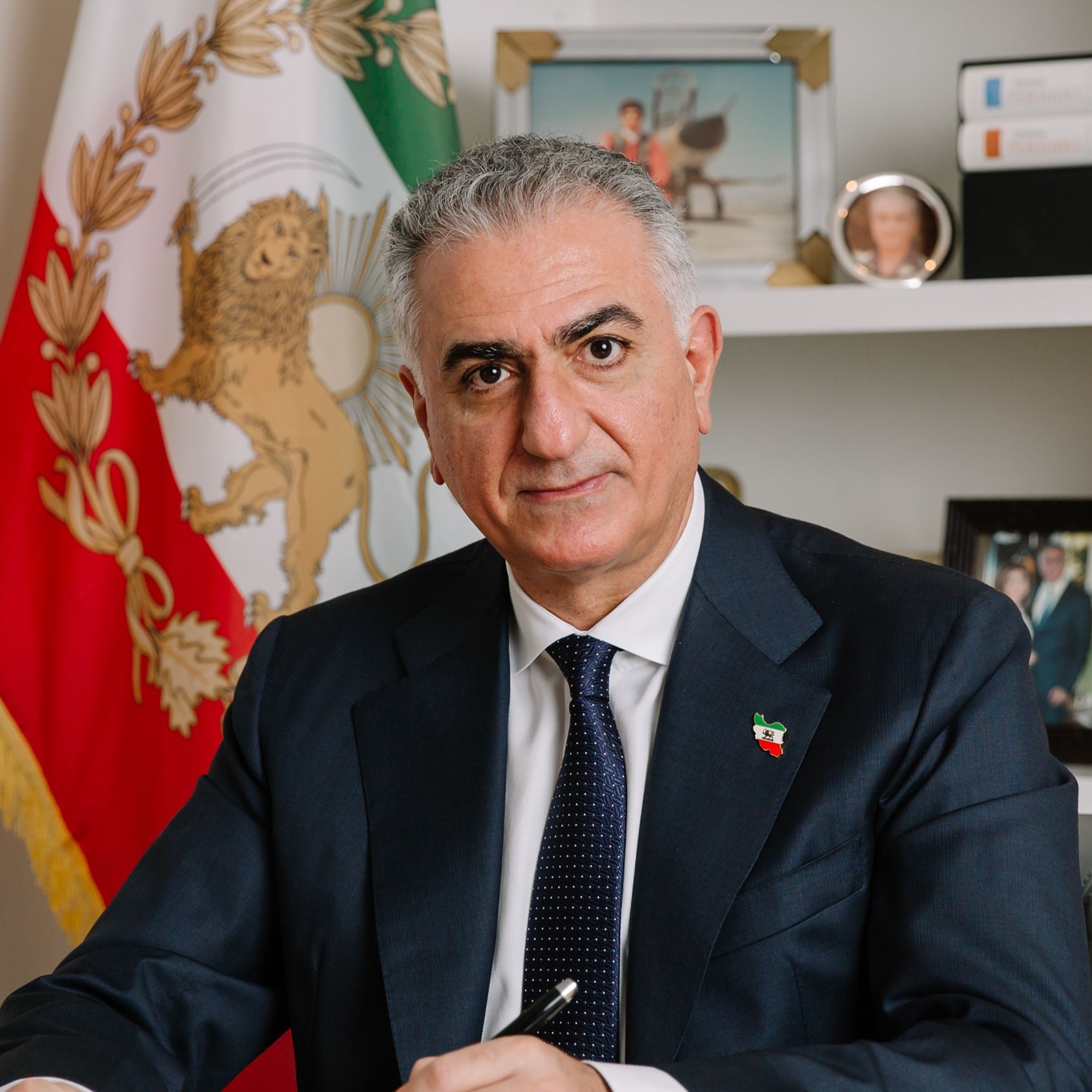
Prediction markets are assigning a 5.5% probability to Reza Pahlavi, the self-declared heir to Iran's pre-revolution throne and prominent opposition figure, physically entering Iranian territory within the next 18 months. The market has generated substantial trading volume of $3.6 million despite the low baseline odds, indicating active interest in this geopolitical scenario even as traders collectively assess it as unlikely. The stability of the probability over the past 24 hours suggests the market has settled on a consensus view, with no recent developments dramatically shifting expectations.
Why It Matters
A return by Pahlavi to Iran would represent a seismic political development with implications extending far beyond his personal fate. Based in the United States and Europe, Pahlavi has positioned himself as a symbol of opposition to Iran's Islamic Republic, attracting support from Iranian diaspora communities and some Western governments. His entry into Iran would signal either a fundamental shift in the regime's tolerance for dissent, potential regime collapse or instability, or a negotiated political settlement—any of which would carry substantial geopolitical weight. For traders and analysts monitoring Iranian political stability, this market serves as a gauge of perceived near-term risks to the current political order.
Key Factors
Several structural factors underpin the market's low odds. The Islamic Republic has historically treated Pahlavi and similar opposition figures as threats to regime legitimacy, making voluntary entry extremely dangerous. Pahlavi himself has not publicly committed to an imminent return, and the legal and security apparatus remains firmly aligned with current leadership. Additionally, a 5.5% probability over an 18-month window implies that traders see this outcome as plausible only in scenarios involving major systemic change—such as regime collapse, successful coup, or dramatic policy reversal by current authorities. The absence of credible reporting indicating imminent travel plans or secret negotiations further supports the low baseline.
Outlook
The market's current pricing suggests traders will likely adjust probabilities only in response to tangible signals: public statements from Pahlavi indicating serious intent to return, credible reporting of secret negotiations with Iranian authorities, or external shocks to regime stability (severe economic crisis, major military conflict, or documented internal power struggles). In the absence of such developments, the 5.5% odds appear to reflect a stable equilibrium where low probability is balanced against the potential for unexpected political rupture. Continued heavy trading volume despite flat odds may indicate divergent views among participants about the tail risks involved, with some assigning materially higher probabilities than the consensus figure suggests.