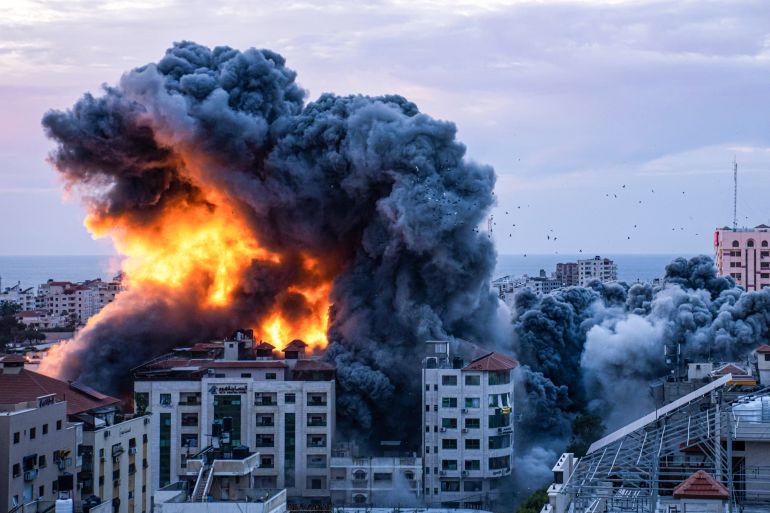
Market Overview
The question of whether Russia and Ukraine will reach an official ceasefire agreement by June 30, 2026, is currently valued at 9.5% in prediction markets, indicating that traders view such an outcome as highly unlikely within the specified timeframe. The market has sustained roughly $7.4 million in trading volume without significant price movement over the past 24 hours, suggesting relatively stable consensus around this deeply pessimistic assessment. The probability reflects the current geopolitical stalemate and the substantial distance between the positions of both parties more than two years into the conflict.
Why It Matters
The viability of a Russia-Ukraine ceasefire carries profound implications for global security, European stability, and the international order. A ceasefire by mid-2026 would represent a dramatic shift in conflict dynamics and signal major movement on previously intractable issues including territorial control, security guarantees, and international recognition of Ukrainian sovereignty. For markets and economies, cessation of active hostilities would affect commodity prices, defense spending, refugee flows, and reconstruction investment across Europe. For policymakers, the low probability suggests markets are pricing in expectations for continued conflict or only highly conditional pauses that fall short of the market's strict criteria for an \"official\" agreement.
Key Factors
The 9.5% probability reflects several structural obstacles to near-term ceasefire. First, the market's definition explicitly excludes limited agreements—such as pauses on energy infrastructure strikes or territorial truces—requiring instead a \"general pause in the conflict\" that constitutes an official, publicly announced, mutually agreed halt to military engagement. This high bar narrows the scenarios that would resolve positively. Second, Russia and Ukraine remain substantially misaligned on core terms: territorial control, NATO membership prospects, and security architecture. Ukraine's 2024 position emphasized maximalist goals around territorial restoration, while Russia sought de facto control of captured territory. Third, the timeframe is relatively compressed—only 18 months from the market's current state—and historical peace negotiations in comparable conflicts have typically required years of diplomatic groundwork. Fourth, both parties maintain military incentives to continue fighting, hoping for improved battlefield positions or exhaustion of the opponent.
Outlook
For the 9.5% probability to materially increase, markets would likely require visible signals of serious bilateral negotiation, mediation breakthroughs from major powers like the United States or China, or dramatic shifts in military dynamics that fundamentally alter the calculation for one or both parties. Conversely, the probability could decline further if conflict escalates or rhetoric hardens. The market appears to be pricing in baseline expectations that contain active warfare through mid-2026, with only tail-risk scenarios producing a formal ceasefire. Any announcement of direct peace talks between Russian and Ukrainian officials, or statements from key international mediators about concrete progress on core issues, would likely trigger repricing of this market. Until such developments materialize, the extremely low probability reflects the consensus view that a formal ceasefire remains a distant possibility rather than a near-term expectation.