Market Overview
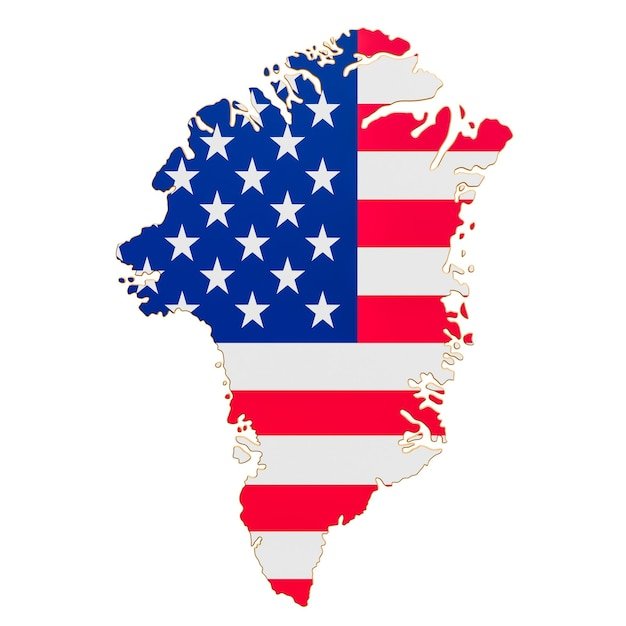
Prediction market traders are assigning a 14.5% probability to U.S. acquisition of any portion of Greenland by December 31, 2026—a modest increase from 13.5% one day prior but still indicating strong market conviction that such a transfer is unlikely within the timeframe. The market has generated significant trading volume of $9.7 million, suggesting substantial interest despite the low odds. The resolution criteria are strictly defined: only binding agreements or legal instruments conferring sovereignty or primary/exclusive U.S. jurisdictional control would qualify, excluding non-binding statements, negotiations, or permissions such as base access or commercial concessions.
Why It Matters
While Greenland acquisition may appear tangential to core U.S. policy, the market reflects real geopolitical interest in Arctic sovereignty and resource access. Greenland holds strategic value due to rare earth minerals, Arctic positioning, and climate-driven resource accessibility. The specificity of the resolution criteria—requiring formal legal instruments rather than mere announcements—creates a high bar that meaningfully separates serious proposals from political rhetoric. The market's current pricing effectively captures trader assessment that moving from public discussion to binding legal transfer within two years faces substantial legal, diplomatic, and political obstacles.
Key Factors
Several structural impediments constrain the probability. Denmark retains sovereignty over Greenland and has consistently opposed territorial transfer, with Greenlandic leadership similarly resistant to U.S. acquisition. The Danish and Greenlandic legal frameworks provide no existing pathway for such transfers without fundamental constitutional changes in both jurisdictions. U.S. constitutional requirements for territorial acquisitions—requiring Senate ratification for treaties and congressional authorization for extraordinary measures—introduce additional procedural hurdles. The resolution criteria's emphasis on binding legal instruments means that even if negotiations advanced significantly, converting them to enforceable agreements by year-end 2026 would require rapid political reversal and legislative action across multiple countries. Historical precedent for large territorial transfers under these circumstances is limited, with the market implicitly weighing the unlikelihood of such a dramatic geopolitical shift.
Outlook
Shifts in market probability would likely require credible evidence of formal negotiations advancing toward binding agreement, rather than rhetorical positioning. Significant movements upward would depend on statements from Danish or Greenlandic governments signaling openness to sovereignty discussions, or concrete legislative action in the U.S. Congress. Conversely, explicit rejections from Copenhagen or Nuuk would likely compress odds further. The market's current 14.5% reflects pricing for a scenario requiring multiple unexpected political reversals in a compressed timeframe, suggesting traders view such outcomes as possible but improbable.