Market Overview
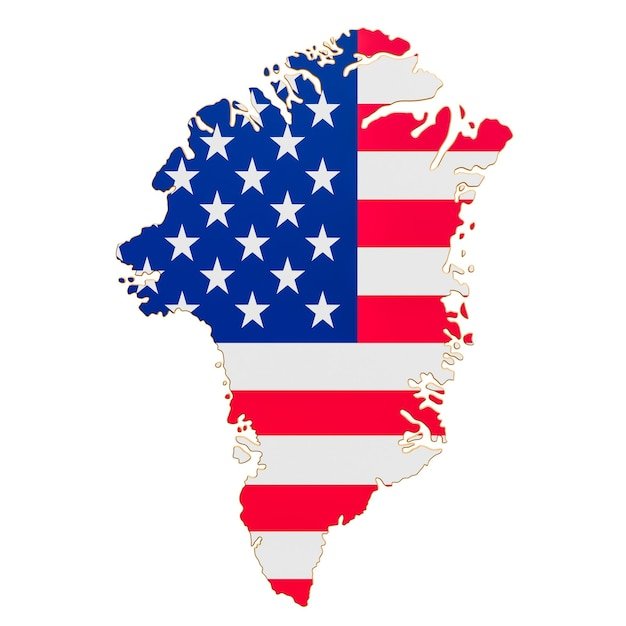
Prediction markets are currently assigning a 14% probability to U.S. acquisition of Greenlandic territory by December 31, 2026, with trading volume exceeding $9.6 million indicating sustained interest in the outcome. The probability has remained stable over the past 24 hours, suggesting market participants have largely priced in available information and are awaiting new catalysts. This modest but non-negligible odds reflect a view that while acquisition remains a low-probability event, it is sufficiently plausible to warrant meaningful capital allocation.
Why It Matters
Greenland's strategic value has elevated the question from historical curiosity to serious policy consideration. The territory's Arctic location, rare earth mineral deposits, and geopolitical position relative to Russia and China have made it a subject of renewed U.S. interest. The market's 14% probability suggests participants believe there is a meaningful chance that political will, diplomatic negotiations, or unforeseen circumstances could produce a binding agreement transferring sovereignty or exclusive U.S. jurisdiction over at least part of the territory within the specified timeframe. However, the relatively low odds also reflect the substantial legal, diplomatic, and political barriers to such an outcome.
Key Factors
Several dynamics shape current market pricing. Greenland's political status as an autonomous territory within the Kingdom of Denmark means any acquisition would require Danish consent or, theoretically, use of force—both presenting high hurdles. Greenlandic public opinion and political preferences, increasingly oriented toward independence, create complications; Greenlanders would likely resist external acquisition even as they seek sovereignty from Denmark. The market resolution criteria require a binding legal instrument (treaty, legislation, or executive agreement), meaning non-binding statements or preliminary negotiations alone cannot trigger resolution. Additionally, the 24-month timeframe through end-2026 compresses the window for what would normally be a lengthy diplomatic and legislative process. Geopolitical tension, particularly involving Arctic competition with Russia, and the strategic importance of rare earth minerals represent upside factors that could increase pressure for U.S. acquisition attempts, though they do not necessarily increase the probability of successful completion.
Outlook
Future movements in this market will likely hinge on concrete diplomatic developments rather than rhetorical statements. Any announcement of formal negotiations, a binding agreement framework, or legislative action by the U.S. Congress or Danish parliament would significantly reprrice the market. Conversely, public statements from Danish or Greenlandic leaders categorically ruling out acquisition, or the passage of time without substantive progress toward a binding agreement, could compress odds further. The market appears calibrated to capture genuine but low-probability scenarios—acknowledging that political priorities and circumstances can shift while recognizing the formidable obstacles to execution. Traders monitoring this market should watch for official government communications regarding territorial arrangements or control agreements, as the resolution criteria specifically exclude non-binding statements and require documentation of a binding legal instrument.