Market Overview
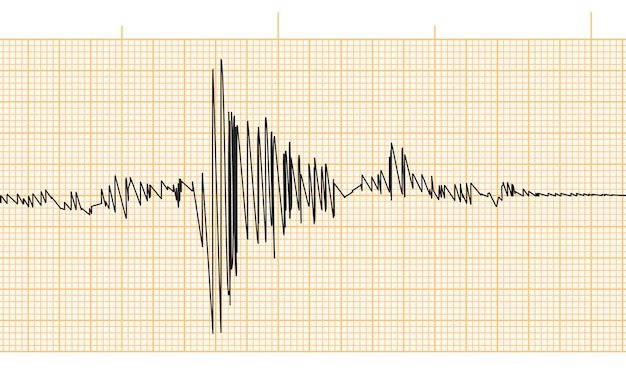
Prediction markets are currently pricing the probability of a magnitude 9.0 or greater earthquake occurring anywhere on Earth between December 8, 2025, and December 31, 2026, at 7.5%. The market has maintained this level over the past day with $181,166 in trading volume, suggesting a relatively settled consensus among participants. While the odds may appear modest in percentage terms, they represent a meaningful probability for an event of this scale—historically, earthquakes of magnitude 9.0 or above occur roughly once per decade globally, concentrated in specific subduction zone regions.
Why It Matters
Magnitude 9.0+ earthquakes represent the most destructive natural disasters on Earth, capable of triggering massive tsunamis and causing hundreds of thousands of casualties. The 2004 Indian Ocean earthquake and tsunami killed approximately 230,000 people, while the 2011 Tōhoku earthquake in Japan caused over 15,000 deaths. The rarity of such events means predictions rely heavily on geological assessments rather than historical frequency. Markets that quantify extreme-tail geophysical risks serve as indicators of how informed participants weight scientific consensus against tail-risk scenarios.
Key Factors
The 7.5% probability reflects underlying seismic hazard assessments concentrated in high-risk zones. The Cascadia Subduction Zone (Pacific Northwest), the Japan Trench, the Kuril-Kamchatka Trench, and the Aleutian Trench represent the primary locations where magnitude 9.0+ events are scientifically plausible. Market participants appear to be pricing in the genuine but low statistical likelihood based on long-term recurrence intervals—Cascadia, for instance, experiences approximately one magnitude 9.0 event every 200-800 years. The resolution methodology, which references the USGS Earthquake Hazards Program and allows until January 31, 2027, for magnitude verification, reduces ambiguity around borderline cases and magnitude revisions, which commonly occur for the largest events.
Outlook
The market probability is unlikely to shift significantly absent new geological data or seismic activity. Sudden aftershock sequences in known subduction zones or unusual precursory activity might incrementally adjust odds upward. Conversely, if the 2026 period passes without elevated seismic activity in high-risk zones, the market could drift toward the lower end of reasonable ranges. The fundamental constraint remains scientific: magnitude 9.0+ earthquakes are governed by plate tectonics rather than human activity, making prediction inherently probabilistic. Market prices should remain relatively stable unless new geological information emerges or a substantial precursor event occurs.