Market Overview
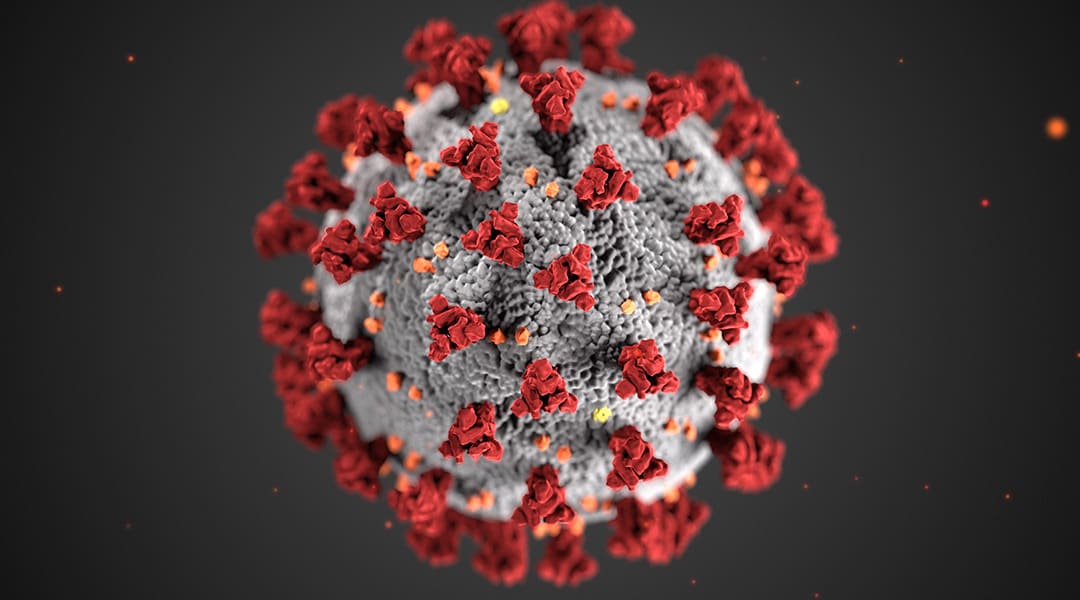
Prediction markets currently assign a 16.5% probability to the emergence of a new COVID variant of concern (VOC) before the end of 2026, with stable pricing over the past day and moderate trading volume of $237,330. This baseline probability implies that traders view such an occurrence as unlikely but far from negligible—roughly a one-in-six chance within the 13-month window. The market's framing is strict: only CDC-designated variants of concern qualify, excluding variants of interest or variants under monitoring that may circulate without meeting the agency's formal classification criteria.
Why It Matters
The emergence of a new COVID variant of concern carries significant implications for public health policy, vaccine development timelines, and economic disruption. Previous variants of concern—including Alpha, Delta, and Omicron—have prompted rapid policy responses, travel restrictions, and mass vaccination campaigns. A new VOC designation would likely trigger similar cascades, making accurate probability assessment valuable for healthcare systems, pharmaceutical companies, and policymakers planning resource allocation. The market question's one-year time horizon positions it between near-term COVID trajectory and longer-term endemic expectations, capturing a critical juncture in the pandemic's evolution.
Key Factors
Several factors inform the 16.5% probability. First, SARS-CoV-2's demonstrated capacity for significant immune-escape mutations remains high; the virus has generated multiple VOCs since 2020, suggesting ongoing evolutionary potential. Second, the transition toward endemic circulation and declining global surveillance intensity may reduce detection rates for emerging variants, lowering the probability that new concerning mutations receive formal CDC designation even if they circulate. Third, widespread population immunity from vaccination and prior infection provides a baseline of protection, potentially requiring substantially more dangerous mutations to trigger VOC status. Fourth, the historical spacing of VOC emergencies—from Alpha in late 2020 through Delta and Omicron in 2021-2022—followed by relatively quieter periods suggests potential deceleration in novel concerning variant emergence, though this pattern offers limited predictive power.
Outlook
The 16.5% probability reflects balanced uncertainty rather than confident prediction. Developments that could shift the market include: a major genomic evolution event detected through international surveillance networks, unexpected fitness advantages or immune-escape properties in circulating lineages, unexpected changes in surveillance capacity or CDC classification criteria, or shifts in global immunity levels due to new vaccination campaigns or mass reinfections. Conversely, continued stability in circulating lineages or further erosion of variant surveillance infrastructure could push probabilities lower. Traders should monitor CDC variant tracking communications, international sequencing data from major repositories, and any signals of rapid antigenic drift in dominant strains.