Market Overview
The prediction market on whether 2026 will experience between 11 and 13 earthquakes of magnitude 7.0 or higher worldwide is currently priced at 24% probability, with trading volume of $410,030. This narrow range represents only about 3% of the historical average number of magnitude 7.0+ earthquakes occurring annually, according to USGS data spanning decades. The market's low odds suggest traders expect either substantially fewer or substantially more major seismic events than this specific band, reflecting uncertainty about where 2026 will fall on the distribution curve.
Why It Matters
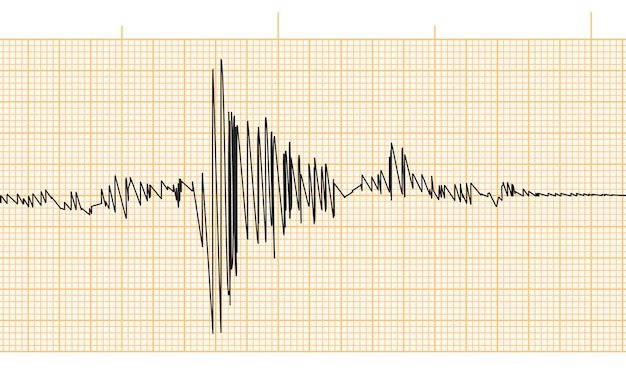
Understanding the frequency of major earthquakes carries implications for earthquake preparedness, disaster planning, and risk assessment in seismically active regions. The USGS typically records 15 to 20 earthquakes of magnitude 7.0 or higher annually on a global basis, though this varies considerably year to year. A resolution in the 11-13 range would represent a below-average seismic year, while significantly higher or lower counts would suggest either an unusually active or unusually quiet year. The specificity of this market range reflects how concentrated the probability space is; traders are not betting that major earthquakes will be common or rare overall, but precisely within this tight band.
Key Factors
Historical data shows no predictive pattern for earthquake frequency on annual timescales; major seismic activity is largely random and driven by tectonic forces that do not vary in meaningful ways over single years. The USGS maintains the most authoritative global earthquake database, which serves as the resolution source. The market's 24% probability incorporates both the possibility of an unusually quiet seismic year and, inversely, the likelihood of above-average activity that would fall outside the 11-13 range. Weather, climate, or human activity does not materially influence major earthquake frequency, making this market largely dependent on the inherent unpredictability of plate tectonics.
Outlook
The market would likely shift toward higher probability only if a significant clustering of magnitude 7.0+ events occurred in late 2025 or early 2026, providing early evidence of elevated seismic activity. Conversely, if 2025 proves to be an extremely active seismic year, traders might reassess the likelihood of sustained activity into 2026, though such correlations are weak. The resolution deadline extends to January 7, 2027, to account for reporting lag times, ensuring accuracy. Until empirical data from 2026 accumulates, the market will remain highly dependent on historical baseline expectations, with the 24% price suggesting traders believe other outcomes—fewer than 11 or more than 13 major earthquakes—are more probable.