Market Overview
Prediction market participants are pricing a one-in-three chance that at least one Category 4 hurricane—defined by maximum sustained winds of 130-156 mph—will make landfall in the conterminous United States before January 1, 2027. The market has maintained steady at 35% probability over the past 24 hours, with $326,300 in cumulative trading volume indicating solid participant engagement on the question. The resolution criteria are precise: any storm making initial landfall as Category 4 strength according to National Hurricane Center advisories qualifies, regardless of later reanalysis.
Why It Matters
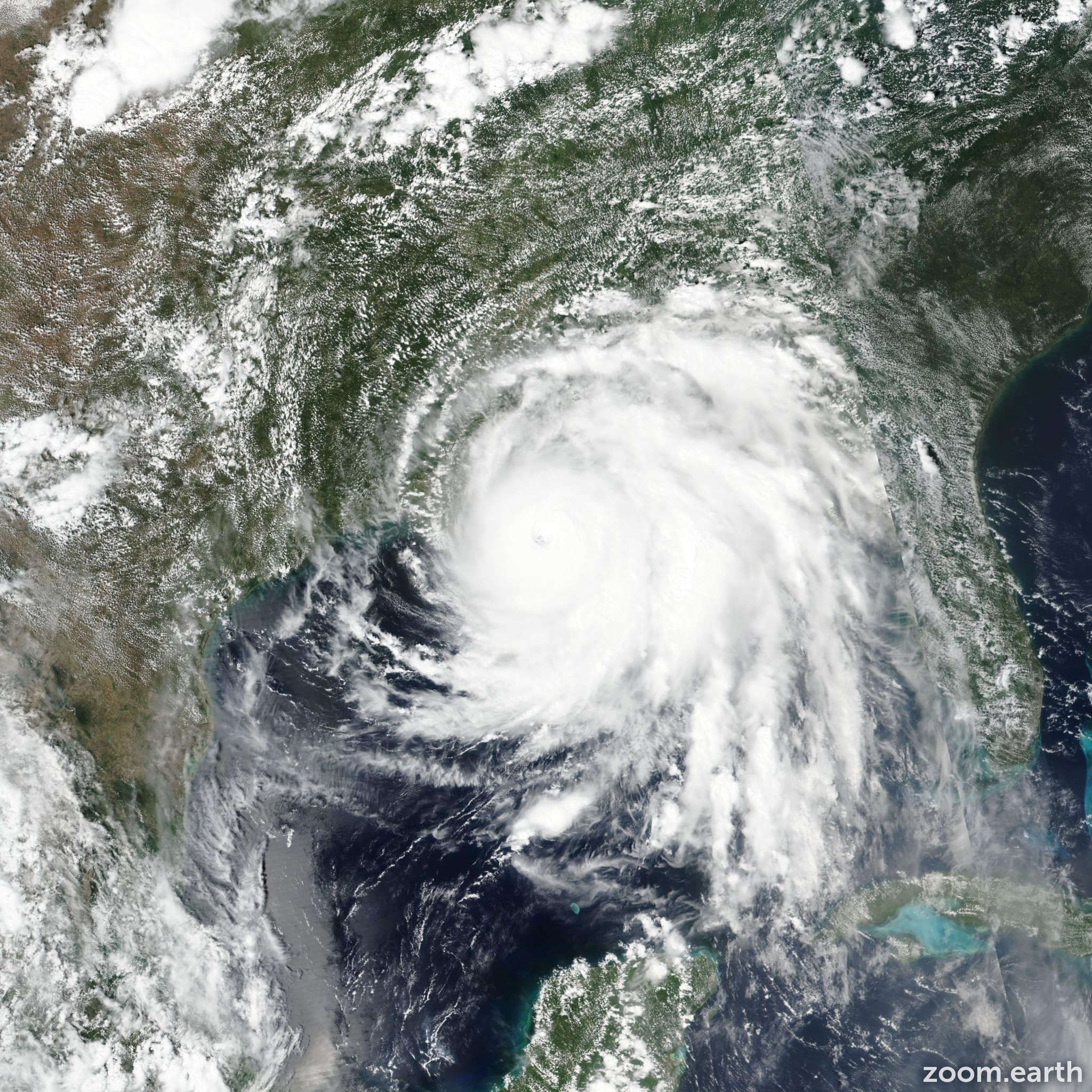
Category 4 hurricanes represent the second-highest classification on the Saffir-Simpson scale and pose extreme danger to coastal infrastructure and life safety. Major U.S. landfalls at this intensity occur infrequently but have historically caused catastrophic damage—Hurricane Charley (2004), Hurricanes Harvey, Irma, and Maria (2017), and Hurricane Ian (2022) are recent examples. For insurers, policymakers, and coastal residents, the probability assigned to such events directly informs risk modeling, preparedness investment, and insurance pricing. A 35% two-year probability implies meaningful but not dominant risk, suggesting the market views Category 4 landfalls as plausible but not the base case.
Key Factors
Historical frequency data anchors market assessment. The contiguous U.S. has experienced Category 4 landfalls approximately once per decade on average over the past 60 years, implying roughly a 20% probability over any two-year window if past patterns hold constant. However, several factors could shift this baseline. Climate science suggests warming ocean temperatures may increase the proportion of hurricanes reaching higher intensities, potentially elevating risk. The current phase of Atlantic hurricane activity cycles, sea surface temperatures, and atmospheric patterns in the coming seasons will directly affect storm intensification potential. Additionally, the 2027 deadline captures two full Atlantic hurricane seasons (2025 and 2026), expanding the window relative to single-season assessment.
Outlook
The 35% market price sits modestly above historical baseline, suggesting participants price in elevated contemporary risk from climate trends or current oceanic conditions. Movement in this market would likely follow updated seasonal hurricane forecasts from NOAA and other institutions, evolving climate data, and any significant landfalls during the 2024 and 2025 seasons that shift participant risk perception. The market will remain sensitive to real-time atmospheric indicators as the 2025 hurricane season approaches, and any early major storm activity could reprice expectations upward or downward.