Market Overview
Prediction markets are currently assigning a 35% probability to at least one Category 4 hurricane making landfall in the conterminous United States before the end of 2026—roughly a one-in-three chance. This moderate odds level reflects a baseline assessment of Atlantic hurricane risk over a three-year window, with approximately $326,000 in cumulative trading volume on the contract. The probability has remained stationary over the past 24 hours, suggesting market participants have reached equilibrium on the likelihood of this outcome.
Why It Matters
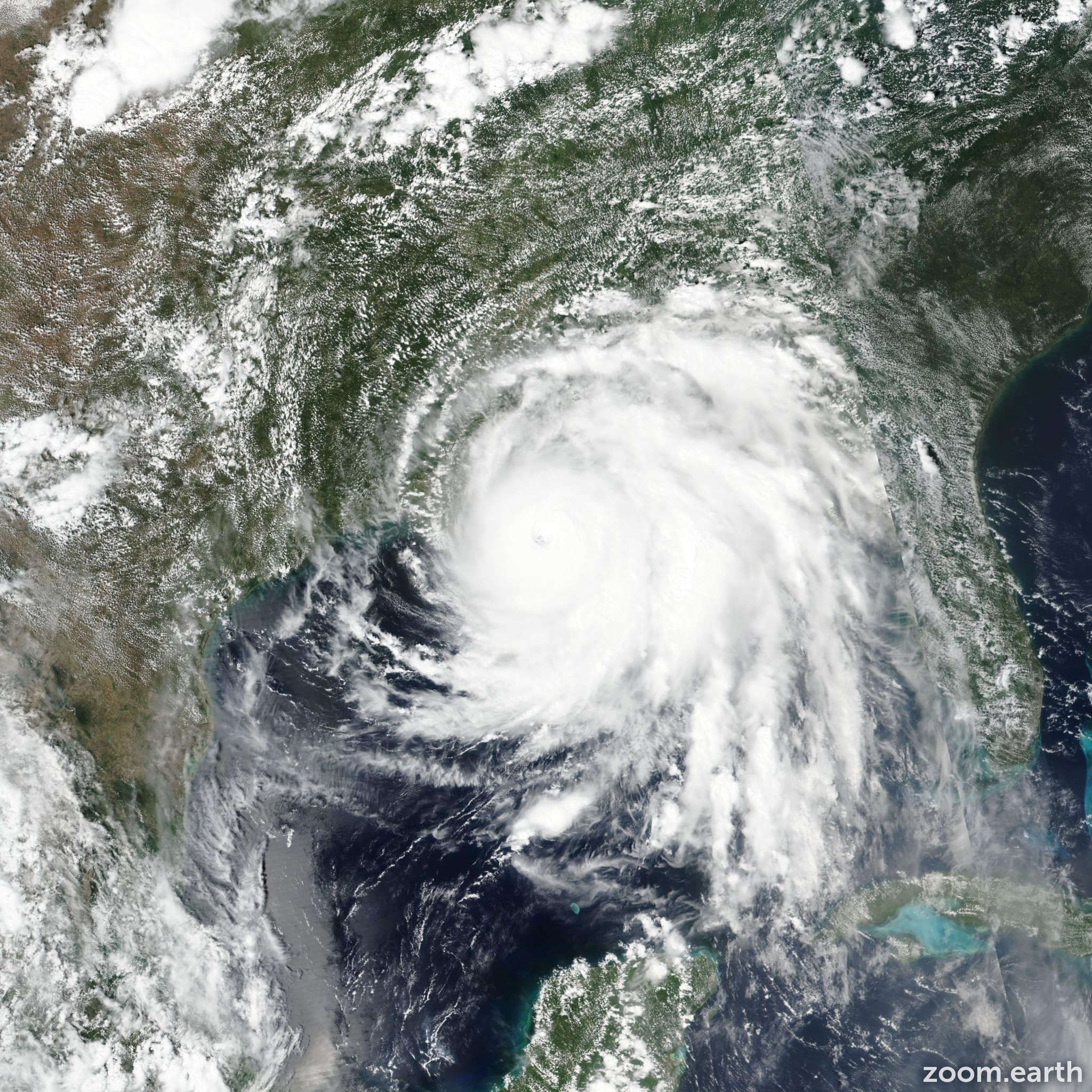
Category 4 hurricanes represent a significant threshold in tropical cyclone severity. With maximum sustained winds of 130-156 mph, these storms cause extreme structural damage and pose catastrophic risks to life and property along U.S. coasts. Understanding the probability of such landfalls informs insurance pricing, disaster preparedness planning, and long-term infrastructure investment decisions. The National Hurricane Center's historical data and seasonal forecasts influence how analysts price this risk across longer-term prediction contracts.
Key Factors
Historical hurricane landfall frequency provides the foundation for this probability estimate. Over the past several decades, major hurricanes (Category 3 or higher) strike the U.S. coastline roughly once every 2-3 years on average, with Category 4 storms somewhat rarer. The market's 35% assessment for a three-year window aligns broadly with this historical baseline. Additionally, oceanic and atmospheric conditions affecting 2024-2026 hurricane seasons—including sea surface temperatures, atmospheric circulation patterns, and the Atlantic Multidecadal Oscillation—factor into current odds. While the Atlantic basin has experienced elevated activity in recent years, prediction markets incorporate both seasonal variation and longer-term climate patterns into their assessment.
The resolution criteria specify that initial National Hurricane Center advisories determine whether a qualifying event has occurred, providing clarity to traders and reducing ambiguity around storm classification. This precise definition allows market participants to assess the probability without interpretation disputes.
Outlook
The market will likely remain sensitive to real-time hurricane season developments and any significant shifts in climatological conditions. If Atlantic sea surface temperatures trend notably higher than historical averages or atmospheric patterns favor stronger tropical cyclone formation, traders may reassess upward. Conversely, cooler-than-normal conditions or patterns suppressing hurricane intensity could shift odds lower. The upcoming 2025 and 2026 Atlantic hurricane seasons will provide new data; particularly active or severe seasons may influence how markets price the tail end of this contract.