Market Overview
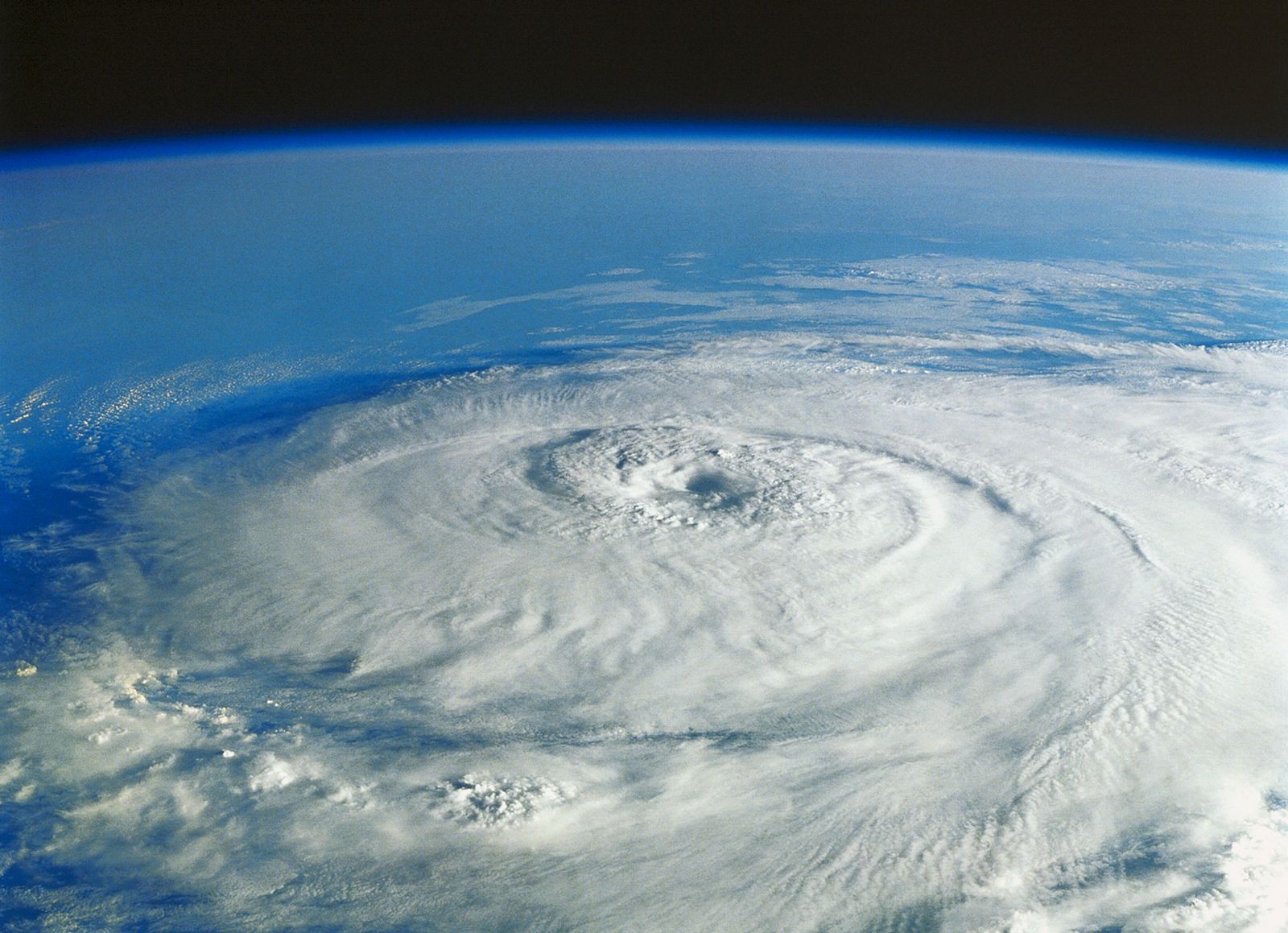
The prediction market for natural disasters in 2026 is trading at 27%, implying traders believe there is approximately a one-in-four chance the year will be marked by at least one extreme natural event. With $215,647 in volume, the market has established a relatively stable price with no significant movement over the past 24 hours, suggesting participants have largely settled on their risk assessment for these catastrophic scenarios.
The market bundles four distinct hazard categories into a single resolution criterion, creating a compound probability problem. A \"Yes\" resolution requires any single event: a US landfall by a Category 5 hurricane, a meteor impact of 10 kilotons or larger, a volcanic eruption rated VEI 6 or higher, or an earthquake exceeding magnitude 8.5. This structure means the 27% probability reflects traders' combined assessment that at least one of these low-frequency, high-impact events will occur.
Why It Matters
This market offers insight into how participants quantify tail-risk catastrophes when forced to assign explicit probabilities. Natural disasters of this magnitude shape insurance pricing, infrastructure investment, and climate risk assessments in the real world. The market's 27% figure provides a reference point for comparing against historical frequencies and scientific baseline estimates, offering a crowdsourced counterpoint to institutional risk modeling.
Key Factors
The probability weighting likely reflects the differing base rates of each event category. Category 5 hurricanes making US landfall represent the most frequent of the four triggers—roughly once per decade on historical average—which dominates the probability composition. Meteor impacts at 10kt+ occur roughly every 60-100 years globally, making them rare but non-negligible over a single-year window. VEI 6 volcanic eruptions average roughly one per decade worldwide, though US impacts are exceedingly rare. Earthquakes exceeding 8.5 magnitude occur globally once every 10-20 years on average, but concentrated in specific zones; major damage affecting US territory is statistically unlikely in any given year.
Climate and seasonal patterns may influence near-term thinking about hurricane risk, while traders may incorporate recent volcanic activity data, seismic patterns, and meteor monitoring from agencies like NASA when calibrating their estimates. The resolution mechanism's requirement for official confirmation from specified sources introduces some ambiguity that could affect close calls, potentially creating discount factors for marginal cases.
Outlook
The market is likely to remain relatively stable absent major trigger events or significant data releases about geological forecasts. Movement could occur if seasonal hurricane forecasts in mid-2026 suggest elevated Atlantic activity, or if major seismic swarms raise earthquake risk assessments. The market's price implies traders view catastrophic natural disasters as unlikely but sufficiently plausible to warrant meaningful probability—neither dismissing tail risks nor treating them as inevitable.