Market Overview
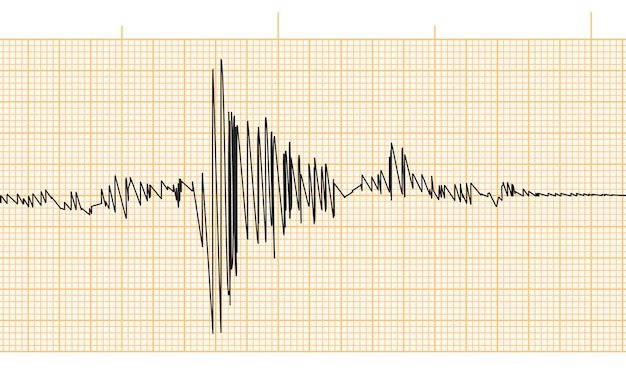
Prediction markets are currently pricing a 7.5% probability that at least one earthquake measuring 9.0 or higher on the Richter scale will strike Earth between December 8, 2025 and December 31, 2026. The market has shown stable pricing over the past 24 hours, with $181,166 in trading volume, indicating sustained but measured interest in this low-probability, high-impact event. Resolution will rely on data from the United States Geological Survey's Earthquake Hazards Program, with a provision allowing until January 31, 2027 for any magnitude revisions to be recorded.
Why It Matters
Earthquakes of 9.0 magnitude represent a distinct category of natural disaster, capable of triggering massive tsunamis and causing regional devastation. The 2004 Indian Ocean earthquake that killed over 230,000 people and the 2011 Tōhoku earthquake that devastated Japan both registered at this scale. While rare on a year-to-year basis, the possibility of such an event carries enormous human and economic consequences, making it relevant to disaster preparedness planning, insurance markets, and scientific monitoring. The narrow 13-month window of this market reflects interest in near-term risk assessment rather than longer-term seismic probability.
Key Factors
Magnitude 9.0+ earthquakes occur with an estimated frequency of roughly once per decade globally, making the 7.5% annual probability in line with baseline historical rates. However, seismic activity is not evenly distributed. The Cascadia Subduction Zone in the Pacific Northwest, the Japan Trench, and the Kuril-Kamchatka Trench represent zones of elevated risk, as these areas of oceanic subduction are where the largest recorded earthquakes have historically occurred. Some seismic researchers have raised concerns about increased stress accumulation in certain zones, though scientific consensus on imminent major events remains limited. The market's odds likely reflect the consensus view that while such earthquakes remain possible, they remain statistically unlikely within any given 13-month period.
Outlook
Movement in this market would likely follow two scenarios. Detection of increased seismic activity or unusual geological signals in high-risk subduction zones could shift odds upward, though scientists would need to express elevated concern about imminent major events for meaningful repricing. Conversely, the market could drift lower if the timeframe passes without significant activity in previously monitored zones. The stability in pricing over recent days suggests market participants view current geological risk as neither elevated nor diminished. Any resolution would come only through definitive USGS magnitude measurement, with the market's extended resolution window ensuring accuracy over speed.