Market Overview
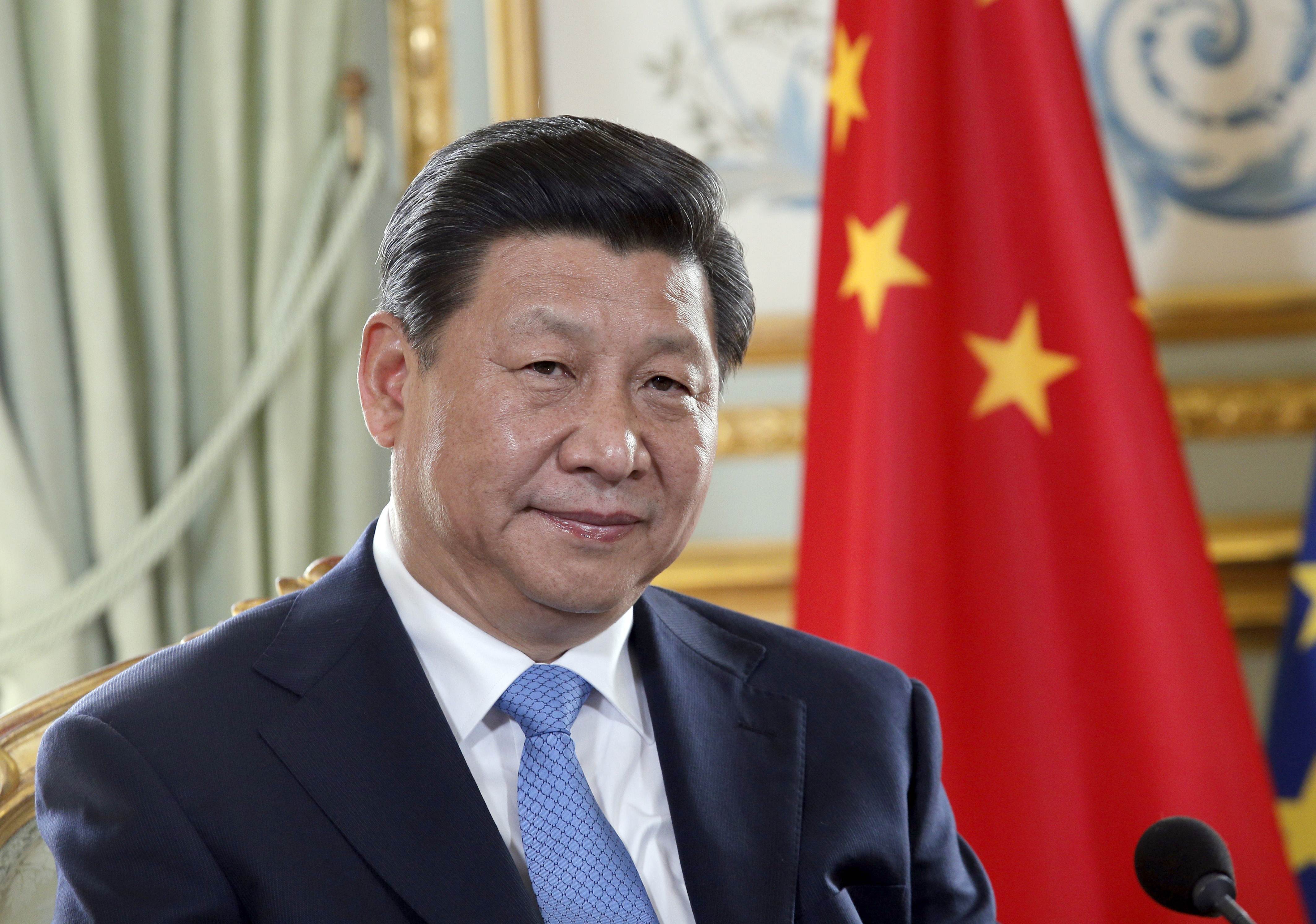
Prediction markets tracking the possibility of Xi Jinping's removal from power by mid-2026 are pricing this outcome at 2.2%, with the probability remaining flat over the past 24 hours despite robust trading volume exceeding $2 million. The minimal odds reflect the considerable structural barriers to displacing a leader who has consolidated control over China's military, party apparatus, and state institutions since assuming the General Secretary role in 2012. At this probability level, traders are essentially assigning single-digit percentage odds to any scenario—resignation, internal party action, detention, or incapacity—that would prevent Xi from exercising his duties as General Secretary within the specified timeframe.
Why It Matters
The stability of China's top leadership has significant implications for global markets, geopolitical relations, and domestic policy continuity. A sudden change in General Secretary would be an extraordinarily rare event in modern CCP history; the last involuntary removal of a sitting paramount leader occurred in 1976 with the death of Mao Zedong. Given China's role as the world's second-largest economy and a major geopolitical power, any disruption to top-level leadership could trigger financial volatility, uncertainty in trade and diplomatic relationships, and questions about policy direction on everything from Taiwan to technology regulation. The 2.2% probability suggests market participants view such a disruption as a tail risk rather than a meaningful possibility.
Key Factors
Several structural factors support the current low odds. Xi has eliminated term limits for the presidency, centralized decision-making authority, and elevated loyalists throughout the party hierarchy, making institutional challenges to his position highly unlikely. China's opaque governance structures and limited transparency into elite CCP decision-making mean that internal party dynamics—the most plausible avenue for leadership change—are largely unknowable to outside observers. Additionally, Xi's advanced age (he will be 72 by June 2026) and the absence of any public health crises or visible incapacity further reduce the probability of involuntary removal. The resolution criteria also requires either explicit announcement or credible reporting of his removal; quiet power-sharing or de facto loss of authority would not qualify.
The only scenarios that would substantially increase these odds would involve unexpected developments: a major health crisis, an internal party coup (exceedingly rare and historically difficult to execute against a consolidated leader), or a catastrophic foreign policy failure that destabilized the regime itself. None of these appear imminent based on available information.
Outlook
Prediction market pricing suggests Xi's position remains secure through mid-2026, with the 2.2% probability reflecting genuine uncertainty rather than meaningful doubt. Market participants appear to view this as a low-risk outcome bet rather than a contrarian position. Unless significant new information emerges regarding Xi's health, party dynamics, or political stability in China—developments that would likely be signaled through other channels before manifesting in these markets—odds are likely to remain in the low single digits. The substantial trading volume indicates this market serves primarily as a hedge for investors exposed to tail risks in China rather than as a reflection of genuine doubt about Xi's continuity in office.