Market Overview
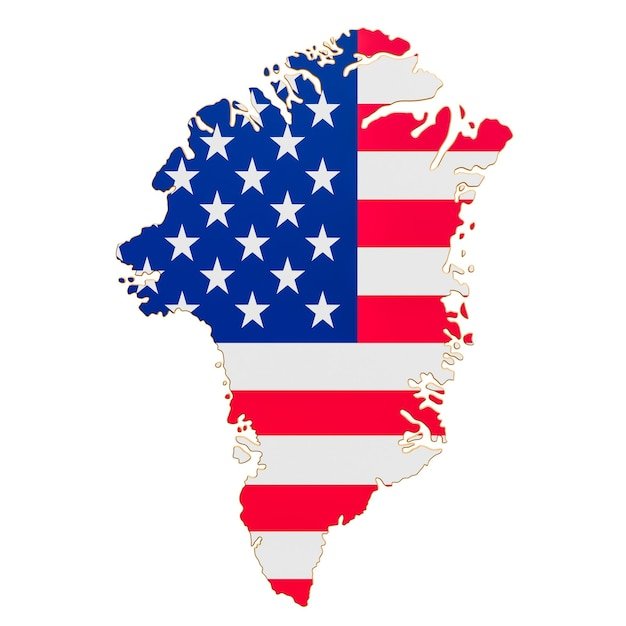
Prediction markets are currently pricing the likelihood of U.S. territorial acquisition in Greenland at 14%, a level that has remained stable over the past 24 hours despite substantial trading volume of nearly $9.7 million. This modest probability reflects market participants' assessment that while the concept has entered political discourse, the practical and diplomatic barriers to executing such a transfer remain formidable. The narrow definition required for resolution—involving binding agreements that convey sovereignty or exclusive U.S. jurisdiction—sets a high evidentiary bar that excludes non-binding proposals, basing arrangements, or commercial concessions.
Why It Matters
The question captures an unusual moment in U.S.-Denmark-Greenland relations, where a proposal once considered purely speculative has attracted enough political attention to warrant serious market assessment. Any actual transfer of Greenlandic territory would represent a dramatic shift in Arctic geopolitics, with implications for NATO, resource competition, and the post-Cold War international order. The resolution criteria specifically exclude preliminary discussions and framework agreements, meaning the market is pricing only the probability of a fully executed, legally binding transaction—a notably high bar that explains the modest odds.
Key Factors
Multiple structural obstacles constrain the probability. Denmark retains sovereignty over Greenland and has shown no inclination to cede territory, while Greenland's government—increasingly assertive in pursuing independence—would need to consent to or actively negotiate any such arrangement. Both the Danish and Greenlandic publics have expressed strong opposition to territorial transfers. Domestically, U.S. Senate ratification of any treaty would be required, introducing significant political uncertainty. The market's 14% assessment suggests participants view the scenario as possible only under extraordinary circumstances—such as a negotiated settlement involving major concessions or incentives to Denmark and Greenland, or a dramatic shift in political priorities. The resolution criteria's requirement for binding legal instruments means preliminary announcements or executive orders without legislative backing would not qualify.
Outlook
The stability of the 14% probability over the near term suggests the market has largely priced in current information and political positioning. Significant movements would likely require either concrete negotiation progress (raising odds) or explicit political rejections from Copenhagen or Nuuk (lowering odds). The substantial volume despite stable pricing indicates ongoing disagreement among traders about the baseline likelihood, rather than consensus around the current level. Developments to monitor include statements from Danish and Greenlandic officials, U.S. legislative action or treaty proposals, and any formal diplomatic overtures. Given the high bar set by the resolution criteria, even intensive political discussions would move the needle only modestly unless accompanied by legally binding documents.