Market Overview
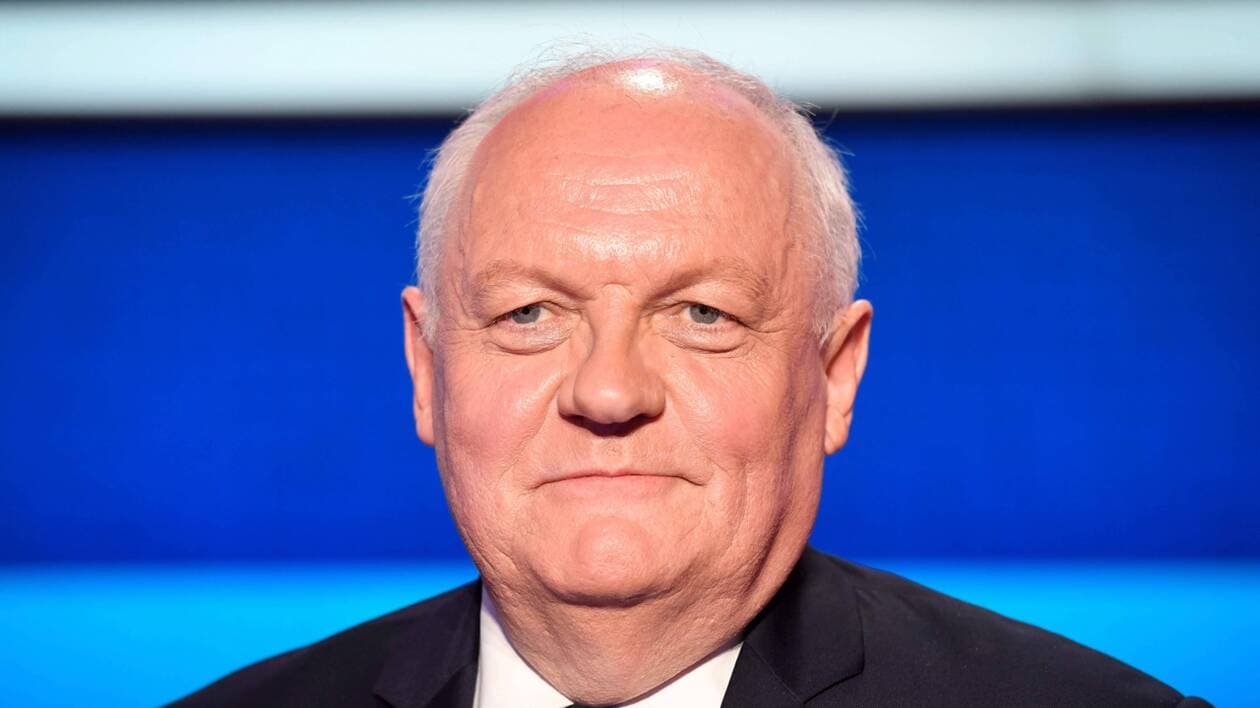
François Asselineau, founder of the Patriotic Union of France (UPF), is being priced at half a percent odds to win the April 2027 French presidential election, according to current prediction market valuations. The market, which has generated approximately $2.9 million in volume, reflects a consensus view that Asselineau remains an extreme outlier in a field likely to be dominated by more established political figures. This probability has remained stable over the 24-hour period, suggesting little market movement and consistent baseline skepticism about his prospects.
Why It Matters
The 2027 French presidential election will be a consequential contest for the European Union's second-largest economy and a permanent UN Security Council member. France has historically experienced unpredictable electoral outcomes, including Emmanuel Macron's 2017 breakthrough as a centrist newcomer, yet prediction markets are decisively discounting Asselineau as unlikely to capitalize on similar dynamics. His viability will depend partly on whether voters seek anti-establishment alternatives and whether his party can build sufficient name recognition and organizational capacity in the intervening years.
Key Factors
Asselineau's limited support reflects several structural disadvantages. The UPF remains a marginal political force in France, with minimal parliamentary representation and far lower public recognition than major parties like the National Rally, the Socialist Party, or Macron's Renaissance coalition. French presidential elections typically narrow to contests among candidates with substantial party infrastructure, media presence, and polling visibility. Additionally, Asselineau's Eurosceptic and nationalist positioning, while tapping into electoral currents demonstrated by the National Rally, comes from a figure without comparable political capital. The 0.5% probability suggests markets believe his campaign would need to overcome significant institutional and competitive barriers to finish in the top two positions required for the runoff, let alone win outright.
Outlook
The flatness of the market probability suggests little expectation of major developments that would substantially elevate Asselineau's odds in the medium term. Meaningful shifts upward would likely require a dramatic political realignment, sustained surge in public opinion polling, or major institutional changes favoring candidates outside the traditional party system. Conversely, his probability could drift lower if competing anti-establishment figures gain prominence or if his party fails to achieve organizational milestones. Barring unexpected political upheaval, Asselineau appears locked into low single-digit probability territory as markets continue to price his candidacy as a longshot among numerous alternative outsiders.