Market Overview
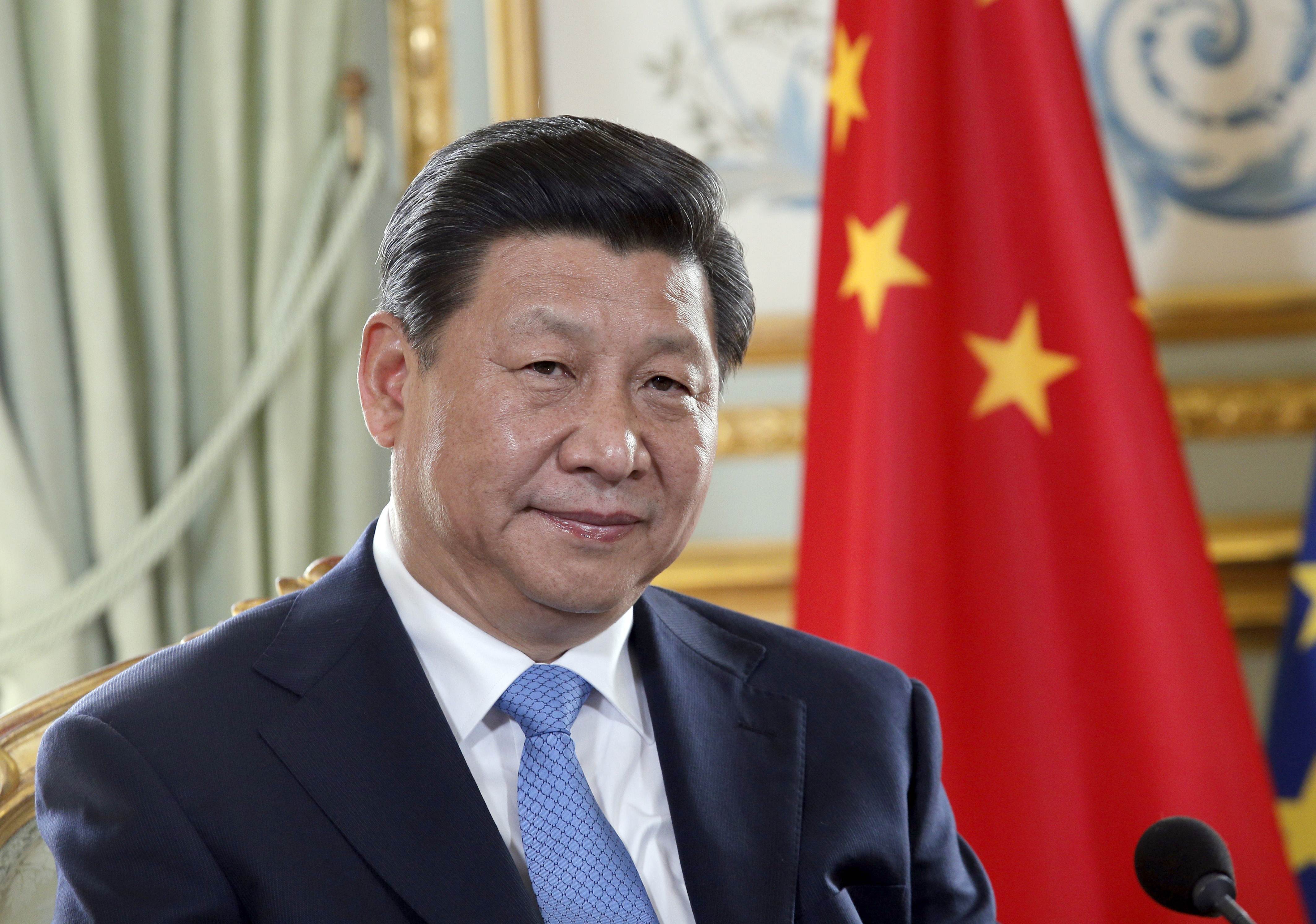
Prediction markets are currently assigning a 2.2% probability that Xi Jinping will be removed from his position as General Secretary of China's Communist Party before the end of June 2026. The market has remained stable at this level over the past 24 hours, with substantial trading volume of over $2 million indicating active participation from traders evaluating the political stability of China's paramount leader. This low probability reflects the market's assessment that Xi's grip on power faces minimal near-term risk despite the unpredictable nature of authoritarian succession dynamics.
Why It Matters
Xi Jinping's position as General Secretary constitutes the apex of power in China's political system, making any disruption to his tenure consequential for global geopolitics, international trade, and regional stability. The Communist Party General Secretary role carries authority over China's military, security apparatus, and economic policy decisions that reverberate across international markets. For investors and policymakers monitoring China risk, the 2.2% odds represent a baseline expectation that current leadership structures will persist through the first half of 2026, though the definition of removal in this market is broad—encompassing resignation, dismissal, detention, or any loss of ability to fulfill duties.
Key Factors
Several structural factors support the market's assessment of Xi's security in office. Xi has consolidated unprecedented personal power since 2012, removed term limits in 2018, and secured his position through the 20th Party Congress in 2022, which positioned allies throughout the Politburo Standing Committee. The absence of obvious succession mechanisms or rival power centers within the visible leadership suggests limited institutional pathways for removal. However, the resolution criteria's inclusivity—covering detentions, health-related incapacities, or dismissals—means the market is pricing not just political overthrow but any interruption to his duties. Historical precedents for involuntary removal of a paramount leader in modern China are absent, reinforcing the low baseline probability. Macro factors such as economic slowdown or regional tensions theoretically could create pressure, but these would need to escalate substantially to overcome institutional inertia within 18 months.
Outlook
The market's stability at 2.2% suggests traders view the timeframe as too short and Xi's consolidation too complete for material probability shifts absent major geopolitical upheaval or sudden health crises. The relatively high trading volume despite low odds indicates participants are hedging tail-risk scenarios rather than betting on a likely outcome. Developments that could meaningfully shift probabilities would include severe economic crises triggering party instability, military defection, major international military confrontation, or credible reporting of significant health issues—none of which are currently prominent in assessments. For the remainder of 2025 and into 2026, barring unexpected shocks, markets are expected to maintain odds in this 1-3% range, reflecting baseline acceptance that China's leadership succession will follow established patterns rather than rupture unpredictably.