Market Overview
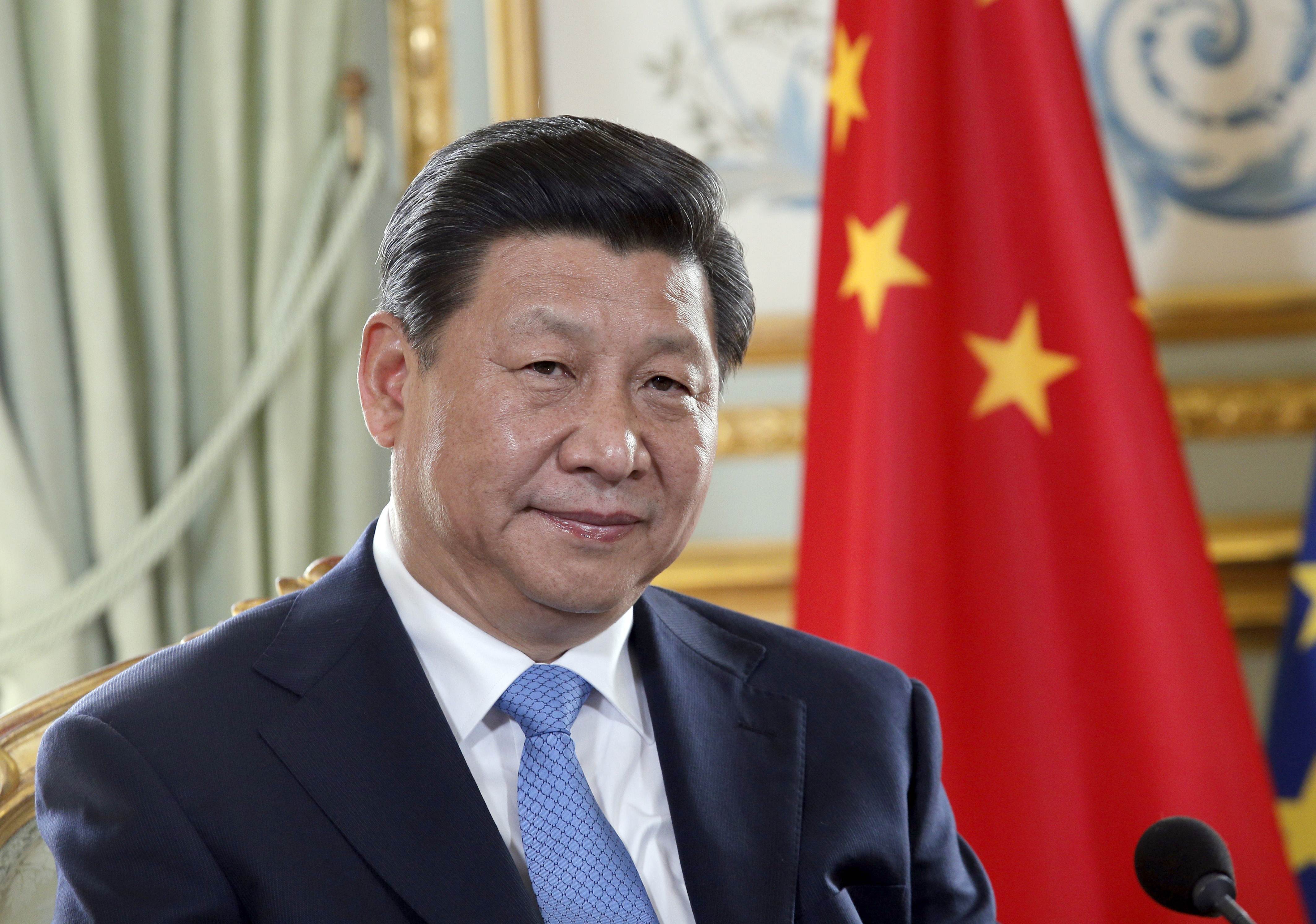
Prediction markets are pricing an extremely low probability—2.2%—that Xi Jinping will be removed from his position as General Secretary of the Communist Party of China within the next 18 months. The market, which has accumulated $2 million in volume, has shown remarkable stability, with odds unchanged over the past 24 hours. This consistency suggests participants have settled on a baseline assessment of Xi's political security rather than reacting to breaking developments. The resolution criteria are broad, encompassing resignation, dismissal, detention, disqualification, or any loss of ability to fulfill his duties.
Why It Matters
Xi's tenure as China's paramount leader has defined Chinese politics and foreign policy for over a decade. Any disruption to his leadership would have immediate global implications, potentially affecting trade relations, technology policy, Taiwan tensions, and regional stability across Asia. For investors and analysts tracking China exposure, political succession risk—however remote—remains a material variable. The market's willingness to price this scenario, even at minimal probability, suggests participants recognize that political transitions in authoritarian systems can occur with limited warning.
Key Factors
Several structural factors support the low probability. Xi has consolidated power more extensively than any Chinese leader since Deng Xiaoping, neutralizing potential rivals through anti-corruption campaigns and party reorganization. Constitutional changes in 2018 removed term limits on his presidency, providing legal cover for indefinite tenure. The party apparatus, military, and security services are staffed with Xi loyalists elevated through years of careful cadre management. Additionally, China's economic challenges and international tensions arguably strengthen demands for continuity rather than leadership change. However, the non-zero probability reflects acknowledging several tail risks: severe health events, unexpected coalition-building against him, major economic collapse triggering elite defection, or unforeseen geopolitical crises that destabilize regime legitimacy. Historical precedent—including Nikita Khrushchev's ouster in 1964—demonstrates that even entrenched leaders can face sudden removal through elite consensus.
Outlook
Unless significant political or health developments emerge, the market's probability is likely to remain in the low single-digit range through 2026. Participants appear to view Xi's removal as a genuine tail-risk event rather than a plausible near-term scenario. Developments that could shift odds materially include signs of serious health decline, evidence of major factional resistance within the party, severe economic deterioration, or military setbacks in a Taiwan contingency. Market participants should monitor state media narratives around Xi's public appearances and party plenum discussions for any subtle signals of leadership transition discussions, though current consensus prices such outcomes as highly improbable.