Market Overview
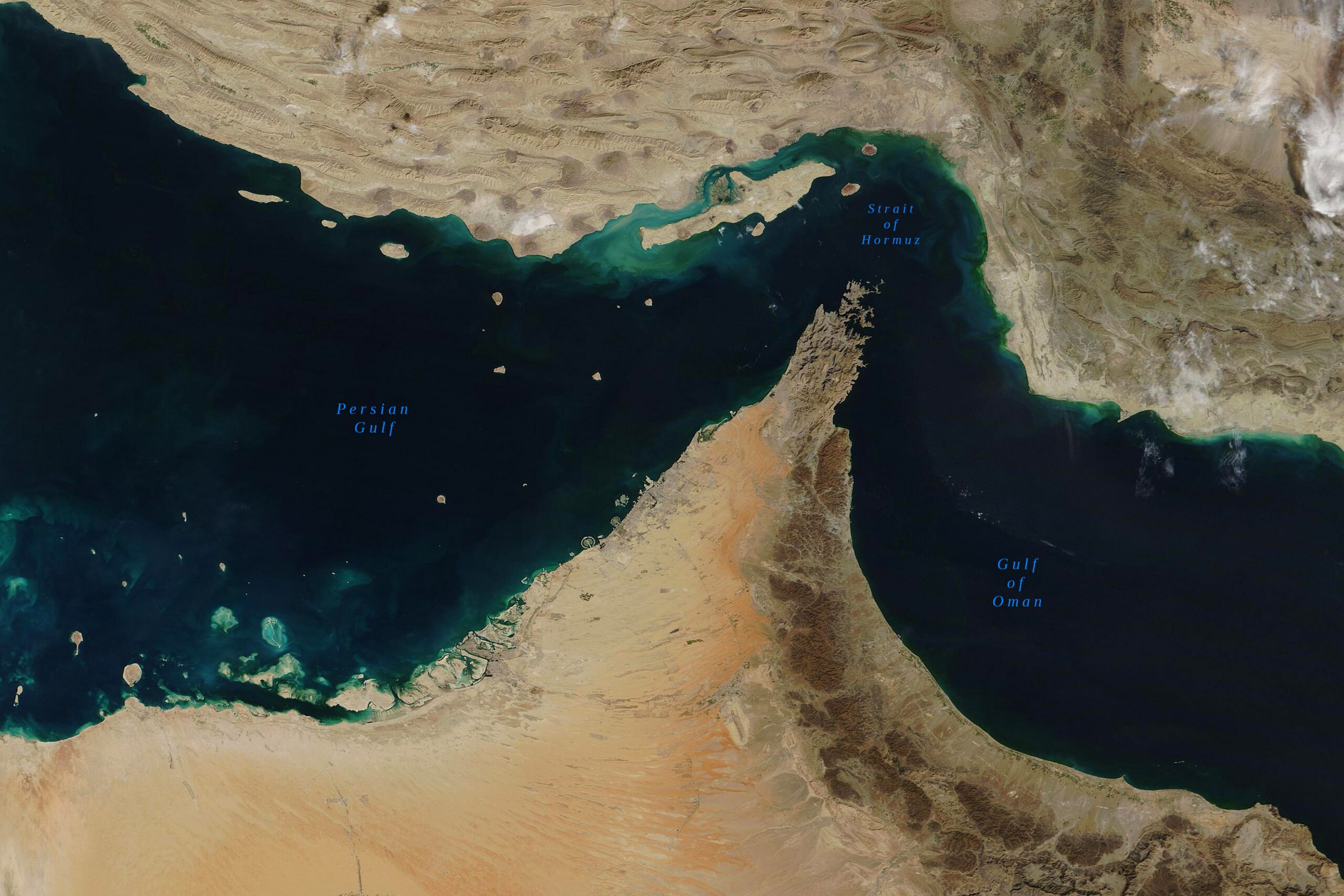
The Strait of Hormuz, one of the world's most critical maritime chokepoints, currently faces elevated levels of scrutiny in prediction markets. The market asks whether daily transit calls—measured as a 7-day moving average—will reach or exceed 60 ships at any point through May 31, 2026. At 20.5% implied probability, traders are pricing in a four-to-one expectation that normal traffic levels will not materialize within this timeframe. The resolution mechanism relies on IMF Portwatch data, which tracks container, dry bulk, tanker, and general cargo vessels transiting the waterway.
Why It Matters
The Strait of Hormuz handles roughly one-third of the world's seaborne oil trade and remains essential to global energy security. Disruptions to transit flows carry ripple effects across energy markets, shipping costs, and geopolitical risk premiums. A persistent inability to restore normal traffic volumes would signal either sustained security concerns, intentional blockade activity, or broader regional instability that continues to deter shipping companies from routing through the strait. For market participants exposed to energy prices, shipping indices, or Middle Eastern geopolitical risk, this probability carries material implications.
Key Factors
Several structural and geopolitical factors likely underpin the low probability. Regional tensions, including Houthi attacks on shipping and broader Iran-related dynamics, have created a climate of elevated risk. Insurance premiums, longer alternate routing options via the Suez Canal or around the Cape of Good Hope, and reduced demand for oil shipments all contribute to constraints on transit volumes. The baseline \"normal\" level of 60 daily transits—the resolution threshold—represents a specific operational benchmark that may require not just the absence of disruption but active recovery in shipping demand and confidence. Additionally, the 14-month timeframe suggests forecasters view recovery as a multi-year process, with relatively low conviction that regional conditions will stabilize sufficiently by mid-2026.
Outlook
For this probability to shift materially higher, markets would likely need evidence of sustained de-escalation in regional tensions, insurance cost normalization, or significant shifts in global energy demand that encourage routing through the strait despite recent risks. Conversely, any new security incidents or geopolitical flare-ups could reinforce the bearish positioning. The high trading volume ($4.6 million) suggests this market has attracted serious risk capital, indicating the resolution outcome carries genuine uncertainty despite the skewed odds. Traders should monitor IMF Portwatch data releases and regional security developments as primary drivers of probability movement in coming months.