Market Overview
Prediction markets are pricing the likelihood of a complete absence of major volcanic eruptions in 2026 at roughly one-in-three odds, with the current probability sitting at 33.5%. This market segments on a binary outcome: either the world will experience no confirmed eruptions reaching Volcanic Explosivity Index (VEI) 4 or above during the calendar year, or it will experience one or more. The 6.5 percentage point decline over the past 24 hours suggests modest repricing downward, though the probability remains well within the range suggesting meaningful uncertainty rather than consensus conviction either direction.
Why It Matters
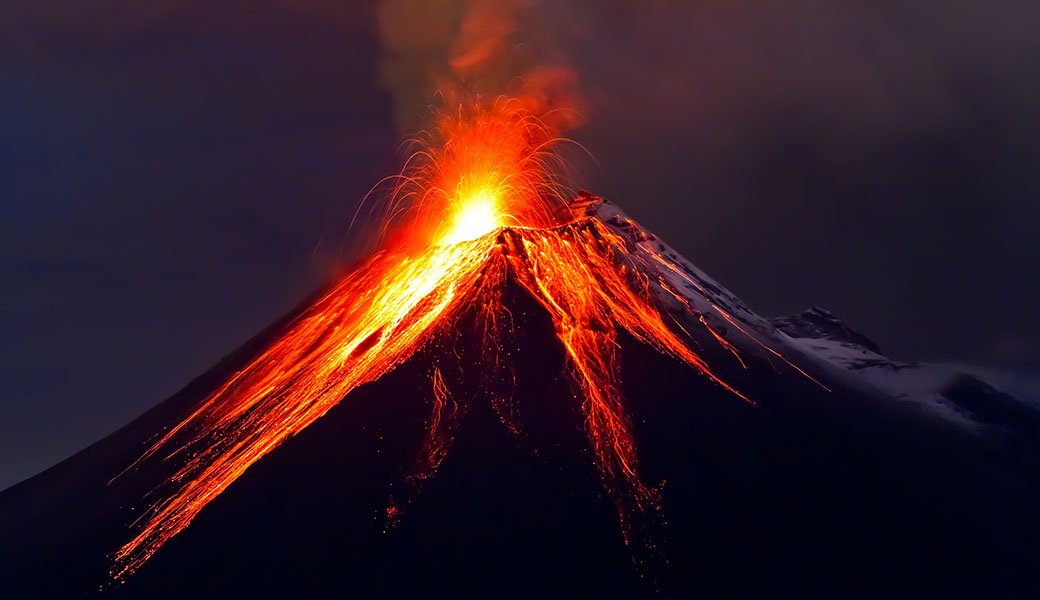
VEI 4 or higher eruptions represent genuinely significant geological events with potential consequences extending beyond immediate volcanic zones. Such eruptions can eject material into the stratosphere, potentially affecting atmospheric conditions and climate globally. Understanding and forecasting major volcanic activity remains scientifically important for hazard preparedness, air traffic management, and climate modeling. This market effectively tests whether forecasters believe 2026 will prove an unusually quiet year volcanically, or whether the planet's baseline activity rate will produce at least one major event—a baseline that historical data suggests has occurred in many recent years.
Key Factors
Historical volcanic activity provides the primary foundation for this forecast. The Smithsonian Institution Global Volcanism Program maintains comprehensive records showing that VEI 4+ eruptions occur roughly once or twice per year in the modern record, though with substantial year-to-year variation. Some years see zero major eruptions; others see multiple events. The current market price of 33.5% for zero eruptions aligns reasonably with long-term frequency data if baseline expectations cluster around one major event annually. Forecasters must weigh whether 2026 presents any special characteristics—such as observed precursor activity at known volcanic hotspots, recent dormancy patterns suggesting increased pressure buildup, or scientific literature suggesting cyclical clustering of major events. Absent specific near-term warning signs of imminent eruptions, forecasters likely rely on historical frequency distributions to estimate the probability of a given year being volcanically quiet.