Market Overview
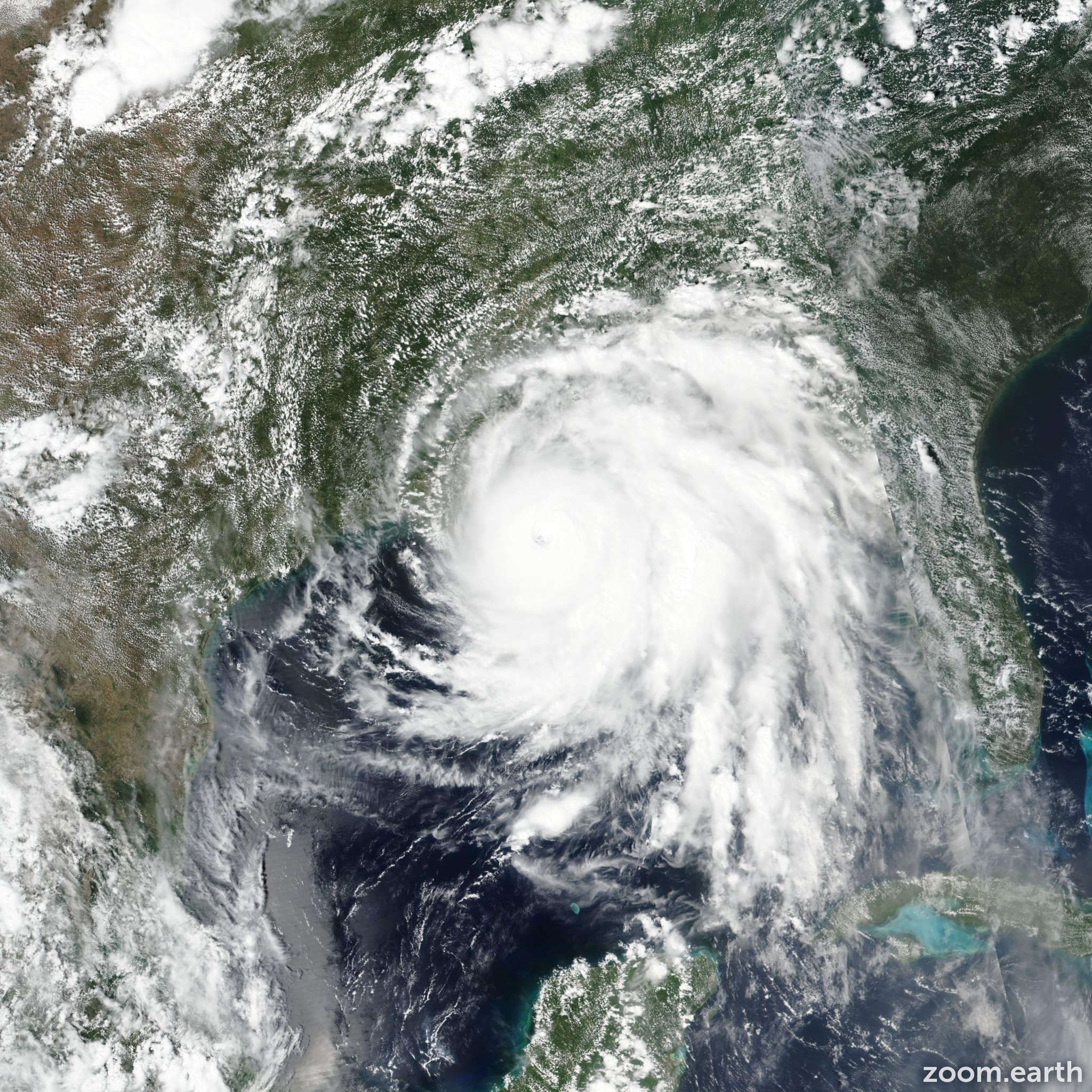
Prediction market participants currently assign a 35.5% probability to at least one Category 4 hurricane making landfall in the conterminous United States by December 31, 2026. The market has remained stable at this level over the past 24 hours, with trading volume of $324,520 indicating moderate but sustained interest. The timeframe covers approximately two full hurricane seasons (2025 and 2026), plus the remaining months of 2024.
Why It Matters
Category 4 hurricanes represent major threats to life and property, bringing sustained winds of 130-156 mph capable of catastrophic damage. The outcome has significant implications for coastal communities, insurance markets, and climate risk assessments. Understanding the baseline probability of such events helps policymakers, insurers, and residents calibrate preparedness efforts and risk management strategies. The market's current assessment reflects both historical data and forward-looking climate considerations.
Key Factors Driving the Probability
Several factors underpin the 35.5% probability estimate. Historically, the United States experiences a Category 4 or 5 hurricane landfall roughly every 2-3 years, though distribution is irregular. The National Hurricane Center data shows that since 1900, major hurricanes (Categories 3-5) have made US landfall with varying frequency depending on the period examined. Ocean temperatures and sea surface conditions influence hurricane intensification potential, with some climate models suggesting increased likelihood of rapid intensification in warming waters. However, other meteorological factors—including wind shear, atmospheric moisture, and steering patterns—also play critical roles in determining whether storms strengthen and make landfall rather than tracking offshore.
The two-year window is relatively constrained compared to longer-term climate trends. Seasonal variation in Atlantic hurricane activity means that below-average seasons can significantly reduce the cumulative probability. The market's modest odds reflect genuine uncertainty: while major hurricanes are not rare events historically, predicting whether a specific intensity threshold will be crossed at a specific geographic location remains challenging.
Outlook
Market participants will likely adjust these odds as the 2024 and 2025 Atlantic hurricane seasons progress. Actual storm activity, ocean temperature trends, and updated seasonal forecasts from NOAA could shift sentiment. A particularly active season or early major landfalls would increase perceived risk, while quiet seasons or offshore tracks would support lower probabilities. The market's current stability suggests traders view 35.5% as roughly justified by available information, though the inherent unpredictability of hurricane behavior ensures continued potential for repricing.