Market Overview
Prediction markets currently assign a 53.5% probability to the proposition that 2026 will see zero confirmed volcanic eruptions reaching VEI 4 or higher on the Volcanic Explosivity Index. This near-even odds split indicates substantial market uncertainty about whether the coming year will produce any of the planet's most powerful volcanic events. The market has shown stability, with probabilities unchanged from 24 hours prior, suggesting price discovery has largely completed among active traders.
Why It Matters
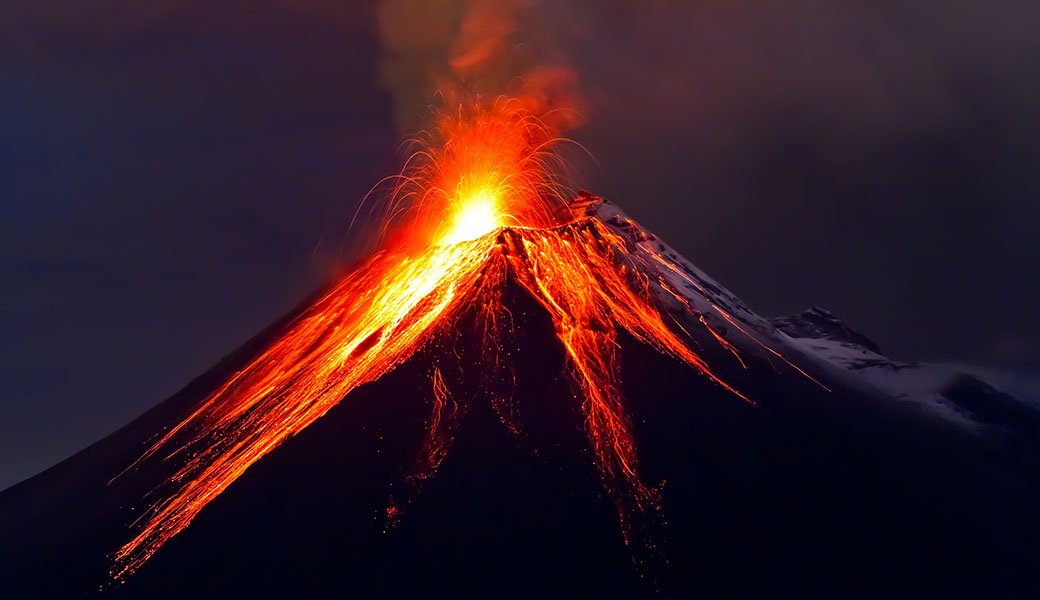
VEI 4+ eruptions represent the largest and most consequential volcanic events—those capable of regional to global atmospheric impacts. VEI 4 eruptions can inject ash into the stratosphere and affect climate over months; higher VEI events carry risks of crop failures, respiratory hazards, and measurable temperature changes. Understanding the probability of such rare events has relevance for risk assessment, climate modeling, and emergency preparedness. The resolution will depend on final Smithsonian Institution Global Volcanism Program data as of March 31, 2027.
Key Factors
Historical baselines anchor market expectations. Over the period 2000–2024, volcanic eruptions of VEI 4 or higher averaged between 1 and 2 per year globally, though the frequency is highly variable—some years have zero, while others have multiple events. This historical scatter explains the near-50/50 odds: the long-term rate suggests roughly even chances of hitting or missing zero in any given year. Geological factors—plate tectonics, magma chamber pressure, and crustal stress—are inherently unpredictable on annual timescales, and no consensus model reliably forecasts major eruptions years in advance. Traders appear to have anchored on this irreducible uncertainty rather than on directional bets about volcanic activity.
Outlook
The market's stability at 53.5% suggests traders view forecasting 2026 volcanic activity as a near coin-flip proposition grounded in historical rates and the inherent randomness of geological events. Material shifts in probability could occur only if new data—such as elevated seismic activity, gas emissions, or expert hazard assessments at specific volcanoes—entered the public domain and shifted consensus expectations. Absent such developments, the market is likely to remain range-bound near 50/50 until late 2026, when actual eruption data begins to crystallize. Resolution will ultimately hinge on Smithsonian GVP reporting by the March 2027 deadline.