Market Overview
Prediction markets are currently pricing a human moon landing in 2026 at just 4.3%, indicating traders view the prospect as highly unlikely within this timeframe. The market has held steady at this level, suggesting broad consensus on the technical and scheduling realities facing lunar missions. With over $1.9 million in trading volume, the market reflects genuine engagement from participants assessing one of space exploration's most closely watched milestones.
Why It Matters
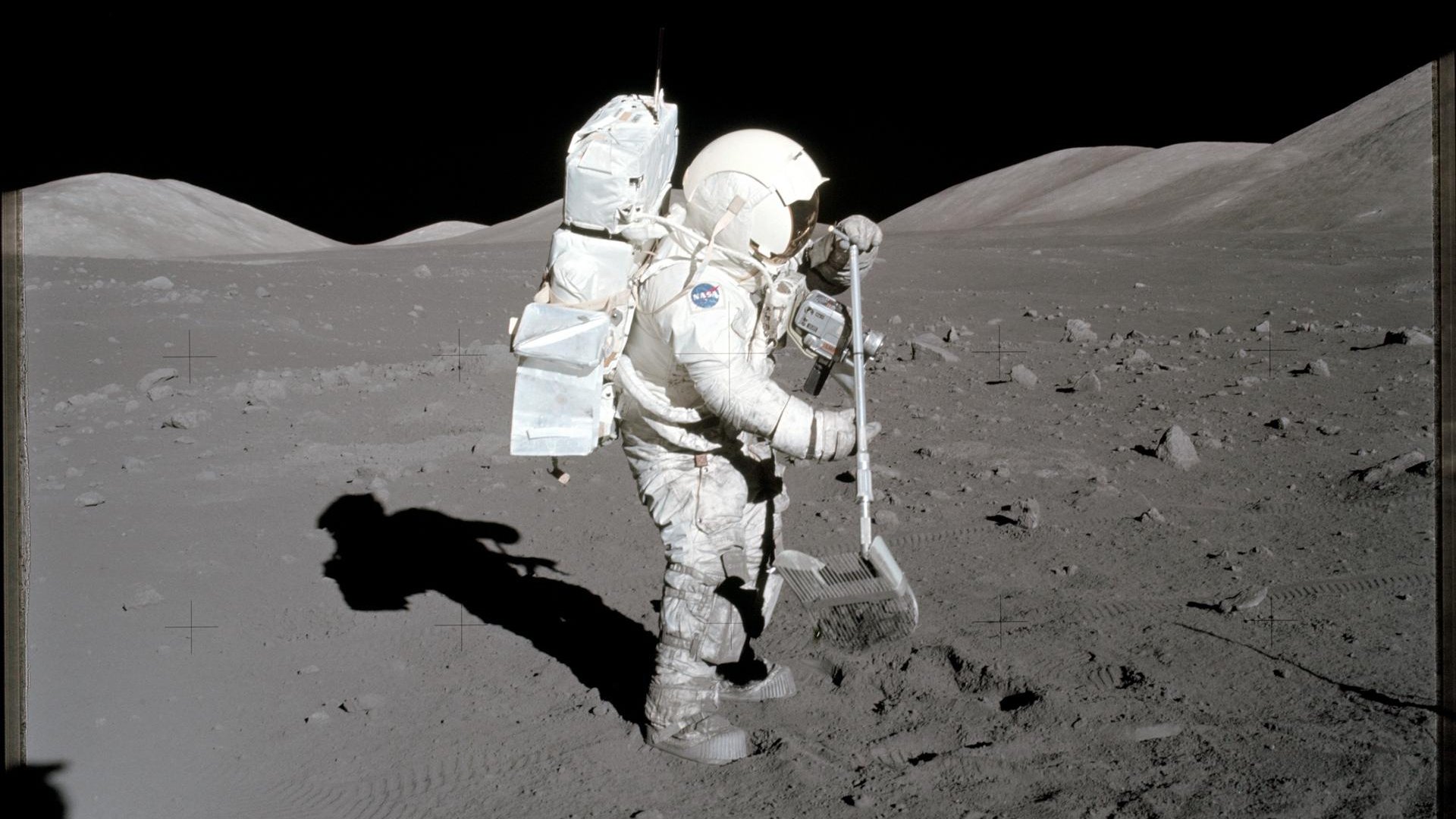
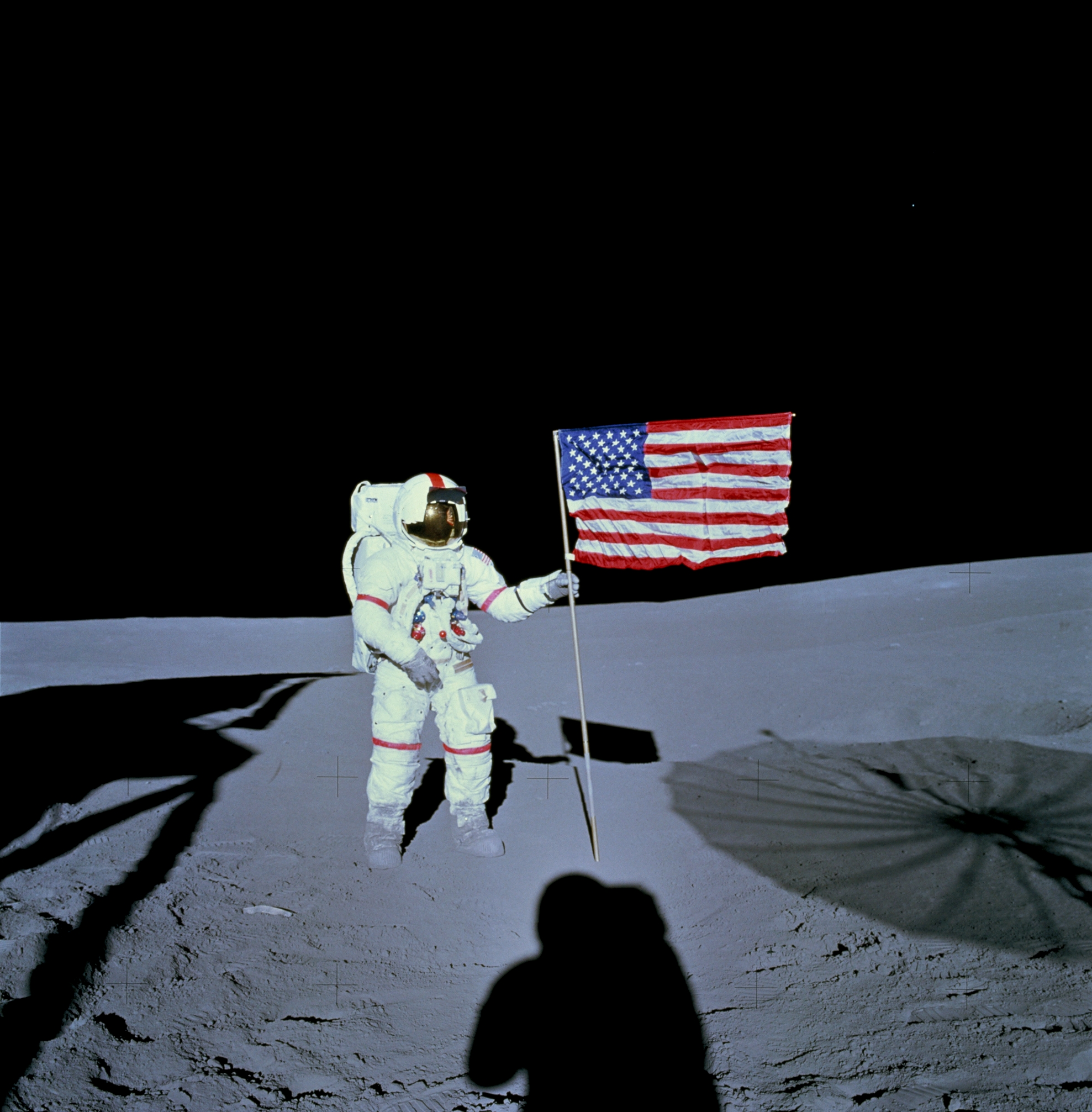
A successful crewed moon landing represents a watershed moment in space exploration and geopolitical standing. The last human moon landing occurred in 1972, making any new mission a historic achievement. The low probability assigned in this market suggests that despite decades of technological progress, executing such a mission within a 24-month window remains extraordinarily challenging. This reflects not lack of capability, but rather the immense complexity of human spaceflight and the realistic development timelines required.
Key Factors
NASA's Artemis II mission, which would carry humans to lunar orbit (though not a landing), has been repeatedly delayed and is now targeted for 2025 at the earliest. Artemis III, the actual landing mission, is currently scheduled for 2026, but faces significant technical hurdles and integration challenges. The Space Launch System and Orion spacecraft development, while advanced, have encountered engineering complications that have pushed timelines multiple times. No other space agency or private entity has credible plans to land humans on the moon by year-end 2026. China's lunar program, while progressing steadily, operates on a longer timeline. The 4.3% probability appears to price in mainly tail-risk scenarios where Artemis III unexpectedly accelerates or an alternative program somehow reaches fruition.
Outlook
The market will likely remain sensitive to NASA schedule announcements and technical milestones on Artemis hardware. Any official statement pushing Artemis III past 2026 would likely compress probabilities further, while surprising progress reports could provide modest upward pressure. The resolution criteria—requiring only touchdown with humans aboard—is relatively permissive and does not require surface activity, yet even this achievable benchmark appears remote given current schedules. Barring a significant acceleration in NASA's timeline or an unexpected breakthrough by another spacefaring entity, odds below 5% appear consistent with the engineering and scheduling realities of modern lunar missions.