Market Overview
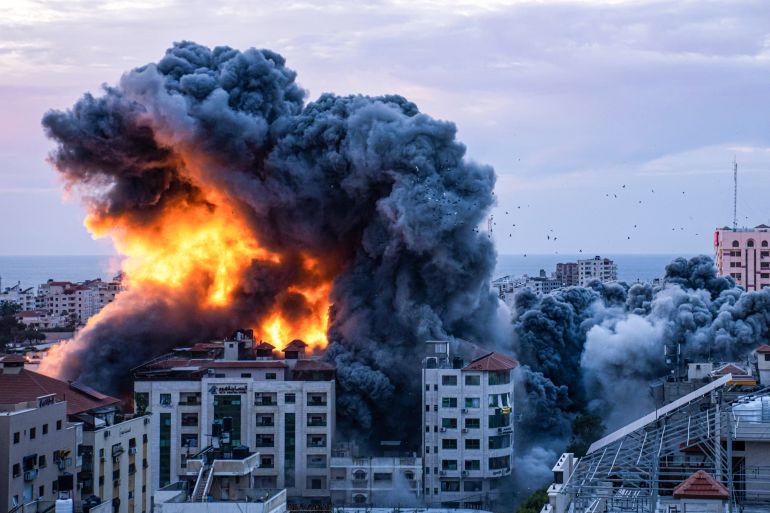
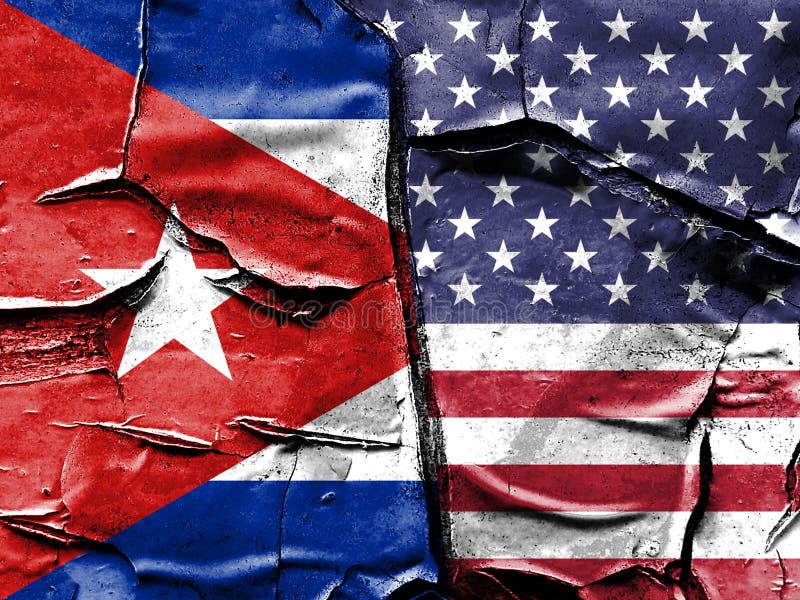
Prediction market traders are currently assigning a 36.5% probability to a US-initiated strike on Cuban territory by December 31, according to the market's latest pricing. The market, which has recorded over $1 million in trading volume, defines a qualifying strike narrowly as aerial bombardment using drones, missiles, or bombs—excluding naval shelling, cyberattacks, and ground operations. The probability has remained stable over the past 24 hours, suggesting market participants have settled on a relatively consistent risk assessment despite ongoing geopolitical developments in the Caribbean region.
Why It Matters
US-Cuba relations carry outsized symbolic and strategic importance in American foreign policy. Any military strike would represent a dramatic escalation from decades of economic sanctions and diplomatic tensions, potentially triggering broader regional instability and international responses. The market's mid-range probability reflects genuine uncertainty about whether current tensions could evolve into kinetic conflict—a binary outcome with significant geopolitical consequences that traders are actively pricing across an extended timeframe.
Key Factors
Several dynamics likely support the 36.5% odds. The Trump administration, which took office in January 2025, has historically taken a harder rhetorical stance toward Cuba and has signaled willingness to use military force in other contexts. Concurrent tensions over migration, alleged cyberattacks, and military activities in the Caribbean create a friction point. However, substantial countervailing factors weigh against strike probability: Cuba maintains Russian and Chinese diplomatic backing that raises intervention risks, international legal constraints under the UN Charter constrain unilateral action, and the US military is heavily committed to other theaters. The absence of an imminent military crisis—compared to, for example, scenarios involving immediate threats to US territory or personnel—also limits near-term strike pressure.
Outlook
The market's stability around 36.5% suggests traders view the strike scenario as plausible but uncertain, with significant event risk remaining through year-end. Developments that could shift the probability include major incidents involving Cuban provocations, explicit military threats from either side, or significant policy statements from Trump administration officials. Conversely, de-escalatory diplomatic engagement or a shift in US strategic priorities could lower the odds. With roughly nine months remaining until resolution and limited immediate flashpoint indicators, the market appears to be pricing a baseline geopolitical risk premium rather than reacting to imminent operational factors.