Market Overview
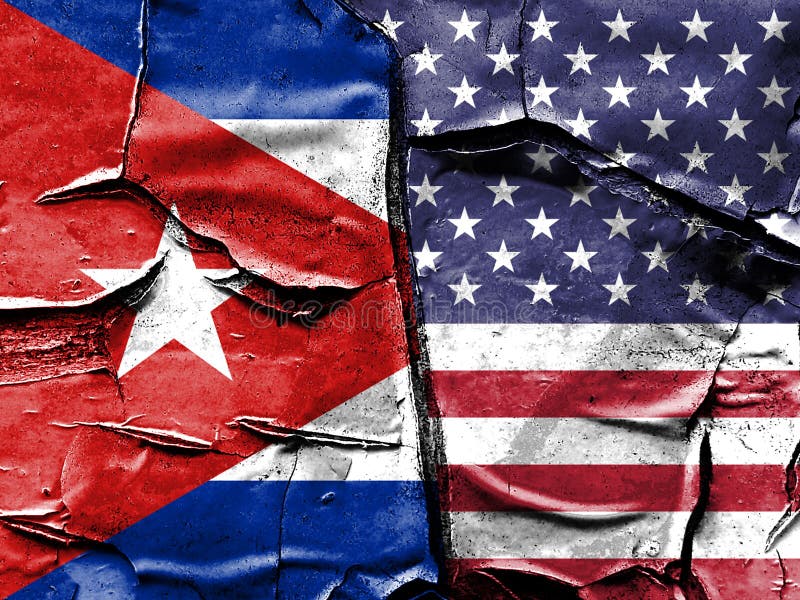
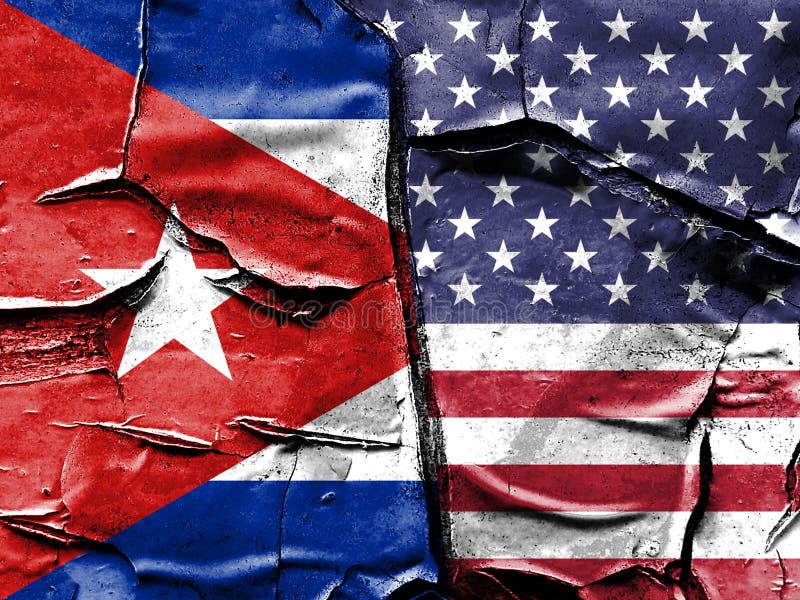
The prediction market for a US strike on Cuba by year-end is currently priced at 36.5% probability, with trading volume of approximately $1 million indicating substantial participant interest. The probability has remained stable over the past 24 hours, suggesting the market has digested available information and participants perceive no imminent shift in the underlying risk factors. The market's definition limits qualifying strikes to aerial weapons—drones, missiles, or bombs launched by US military, intelligence, or government operatives that physically impact Cuban territory, excluding intercepted systems or naval/ground actions.
Why It Matters
A US military strike on Cuba would represent a significant escalation in hemisphere relations and mark the most direct military action between the countries in decades. Such an event would carry substantial geopolitical consequences, potentially triggering broader regional instability, affecting international norms around military intervention, and reshaping diplomatic relations across the Americas. For markets and investors, the scenario carries implications for commodity prices, capital flows to Latin America, and US political dynamics heading into year-end. The 36.5% probability indicates prediction market participants view the scenario as a meaningful tail risk rather than a low-probability outlier.
Key Factors
Several factors are likely driving the current odds. Recent statements and policies from the Trump administration toward Cuba, including rhetoric surrounding the island nation, appear to be primary considerations. The historical context of US-Cuba relations, characterized by decades of tension and embargo, provides baseline risk. Current diplomatic status, any recent provocative actions attributed to Cuba, and the domestic political environment in the US all influence participant assessments. The market's timeframe—roughly six weeks from typical market observation—compresses the decision window, making near-term developments critical. Additionally, participants must assess the threshold for presidential or military action, which varies based on incident severity, public opinion, and strategic calculations.
Outlook
The stability of odds at 36.5% suggests the market has reached a pricing equilibrium given current information. Movement could stem from several developments: explicit policy statements from US leadership regarding military options; credible reports of Cuban actions deemed sufficiently provocative to warrant response; significant diplomatic breakthroughs or deterioration; or major regional security incidents. The market will likely remain sensitive to rhetoric from the Trump administration and any incidents that could serve as justification for military action. Participants should monitor official statements, media reporting on US military positioning, and diplomatic communications for signals that could shift the probability materially in either direction.