Market Overview
Prediction markets are pricing the probability of the US obtaining Iranian enriched uranium by May 31, 2026, at 8.5%, with trading volume exceeding $7.7 million indicating sustained investor interest in the outcome. The relatively stable probability over the past 24 hours suggests the market has settled into a consensus assessment of this geopolitically sensitive scenario. The resolution criteria explicitly require actual physical custody or control of enriched uranium—either through seizure, agreed surrender, or a credible consensus of reporting—rather than mere agreements or commitments to future transfers.
Why It Matters
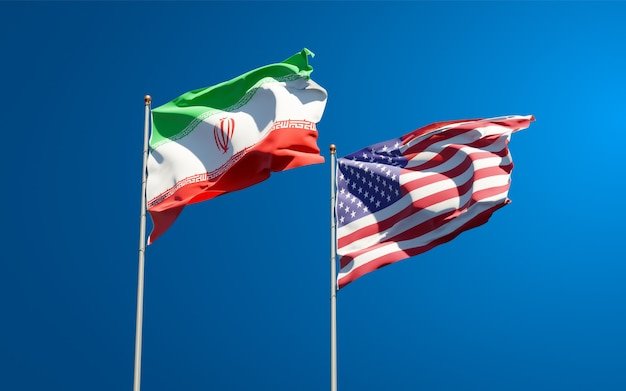
An acquisition of Iranian enriched uranium by the United States would represent a dramatic shift in the nuclear standoff between Washington and Tehran. Such a development could signal either a major diplomatic breakthrough involving negotiated surrender of nuclear material, or a military intervention to seize facilities. The distinction matters significantly: a negotiated transfer would require a fundamental change in US-Iran relations, while seizure would likely accompany military escalation. For markets and investors, the outcome carries implications for geopolitical stability, oil prices, and regional security frameworks that extend well beyond the nuclear domain.
Key Factors Driving the Low Probability
Several structural factors support the market's low probability assessment. First, any negotiated surrender of enriched uranium would require a comprehensive nuclear agreement substantially more restrictive than the 2015 JCPOA, which the US exited in 2018. Current US-Iran relations remain adversarial with minimal diplomatic channels for nuclear negotiations. Second, a military seizure scenario—while plausible given historical precedent and current tensions—remains a relatively low-probability event over an 18-month timeframe, particularly given the operational complexity and international consequences of such action. Third, Iran has shown strong resistance to foreign control of its nuclear material, viewing enriched uranium as both a strategic asset and a symbol of national sovereignty. The market appears to be pricing these barriers as substantial, with an 8.5% probability implying roughly a 1-in-12 chance of acquisition through any pathway.
Factors That Could Shift the Market
Several developments could materially alter the probability. A major escalation in US-Iran military tensions, or direct Israeli military action against Iranian nuclear facilities with subsequent US involvement, could increase the probability of seizure scenarios. Conversely, unexpected diplomatic progress—such as a new US administration prioritizing nuclear negotiations with Iran—could open pathways to negotiated transfers, though this remains unlikely absent a significant political shift. Intelligence disclosures about Iranian nuclear activities or international pressure could also influence market sentiment. The inclusion of \"widespread consensus of credible reporting\" as a resolution criterion adds another pathway that could be triggered by leaked information or investigative journalism, potentially lowering the barrier for resolution compared to official government announcements alone.
Outlook
With just 18 months until the May 31, 2026 deadline, the market's 8.5% probability reflects skepticism about both diplomatic breakthroughs and military intervention occurring within this timeframe. The stability of this probability suggests participants view the status quo—continued nuclear standoff without transfer of material—as the most likely scenario. Investors monitoring this market should watch for shifts in US-Iran tensions, changes in US presidential or Iranian leadership, or unexpected breakthroughs in back-channel negotiations, any of which could rapidly reprrice the market's assessment of this low-probability but high-impact event.