Market Overview
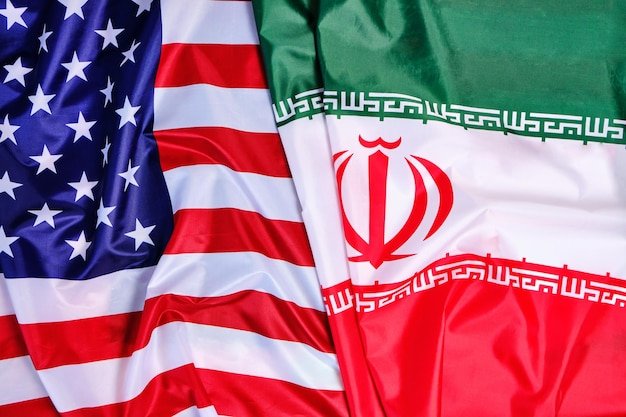
Prediction markets are assigning a 22.5% probability to a permanent peace deal between the United States and Iran by May 31, 2026, with substantial trading activity totaling nearly $10 million in volume. This relatively low odds reflect the historical difficulty of achieving comprehensive agreements between the two nations, even as the market acknowledges a non-negligible pathway to resolution within the 18-month timeframe. The stable probability over the past 24 hours suggests the market has settled on a baseline assessment absent recent diplomatic breakthroughs or sharp escalations.
Why It Matters
A permanent peace agreement between the US and Iran would represent one of the most significant geopolitical developments in decades, ending decades of hostility that has shaped Middle Eastern conflict dynamics and global energy security. The resolution criteria require not merely a ceasefire or temporary arrangement, but an explicit, definitive accord signaling a lasting end to military hostilities—a notably high bar that excludes temporary extensions or incremental agreements. For investors and analysts tracking regional stability, this market serves as a barometer of the perceived feasibility of structural reconciliation versus the more limited possibility of tactical de-escalation.
Key Factors
Multiple structural impediments help explain the modest 22.5% assessment. Decades of mutual mistrust, competing regional interests in Syria, Iraq, Lebanon, and Yemen, and fundamental disagreements over nuclear arrangements and sanctions architecture create substantial negotiating obstacles. The timeframe—roughly 18 months from the market's perspective—further constrains expectations, as previous diplomatic initiatives involving Iran (the Joint Comprehensive Plan of Action, for example) required years of negotiations. Conversely, factors that could shift probabilities upward include a change in US administration with different diplomatic priorities, urgent regional security threats forcing both parties to the table, or a phased negotiation structure that produces incremental agreements that eventually constitute a permanent deal by the resolution date.
Outlook
Market participants appear to view a permanent peace deal as possible but unlikely within the specified timeframe, pricing in both the theoretical feasibility of diplomatic breakthroughs and the historical weight of intractable disagreements. Any significant shift in odds would likely require either explicit diplomatic signals (renewed negotiations, backchannel discussions) or dramatic changes in regional circumstances that increase incentives for both parties to seek comprehensive settlement. The substantial volume suggests this outcome remains a live consideration for professional traders despite the low probability, indicating meaningful uncertainty rather than consensus dismissal of the possibility.