Market Overview
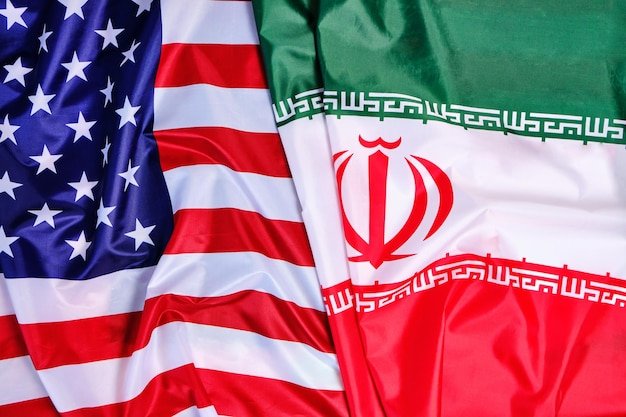
A $10 million prediction market tracking the possibility of a US-Iran permanent peace deal by May 31, 2026 is currently pricing the outcome at 22.5% odds. This probability has remained stable over the past day, suggesting the market has absorbed available information and settled on a mid-range assessment. The substantial trading volume indicates genuine interest from market participants betting across both sides of this geopolitical question.
Why It Matters
A permanent peace deal between the United States and Iran would represent one of the most significant shifts in Middle Eastern geopolitics in decades. Beyond the immediate reduction in military tensions, such an agreement would have cascading implications for regional security dynamics, global energy markets, and US foreign policy alignment with allies in the Gulf. The 22.5% probability reflects market participants' view that while not impossible, the odds remain decidedly against such a comprehensive agreement being reached within the 17-month timeframe.
Key Factors
The market's assessment appears grounded in several fundamental considerations. The history of US-Iran hostility spans over four decades, with deep structural disagreements over nuclear capability, regional influence, and proxy conflicts. Any permanent agreement would need to address these core issues simultaneously—a significantly higher bar than temporary ceasefires or incremental negotiations. The definition explicitly excludes temporary arrangements, meaning partial agreements or short-term extensions would not resolve the market affirmatively, eliminating the possibility that incremental progress could accidentally trigger a positive outcome.
The current US political environment and ongoing regional tensions in Iraq, Syria, and Yemen add complexity. The timeframe ending in May 2026 also means the agreement would need to be negotiated, drafted, and formalized—likely across multiple presidential administrations or policy cycles in both countries. Additionally, the requirement for either a formal written agreement or dual public confirmation creates a high evidentiary standard that reduces the chance of ambiguous outcomes accidentally meeting resolution criteria.
Outlook
Market participants would likely recalibrate this probability significantly if major developments emerged: explicit diplomatic channels opening at leadership levels, major shifts in Iranian or US government positions on core sticking points, or regional de-escalation that reduced incentives for military posturing. Conversely, escalation in proxy conflicts or deterioration in existing diplomatic frameworks could push odds even lower. The current 22.5% figure appears to price in the scenario where serious negotiations might occur but fall short of a binding permanent agreement—acknowledging possibility while maintaining healthy skepticism about the structural challenges involved.