What Happened
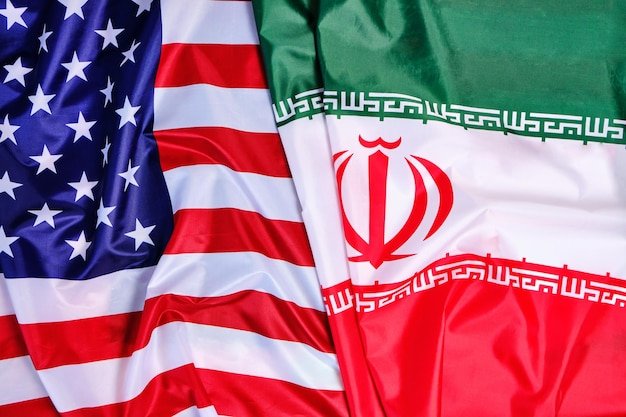
A prediction market tracking the likelihood of a permanent US-Iran peace deal by May 31, 2026, experienced a sharp decline in implied probability, falling from 64% to 48% over recent trading activity. The move was accompanied by substantial volume of $1.13 million, indicating meaningful participation from market participants reassessing the prospects for such an agreement. The market's resolution criteria explicitly require either a formally signed written agreement or clear public confirmation from both governments that military hostilities have permanently ended—narrowly excluding temporary ceasefire extensions.
Why It Matters
The 16-percentage-point drop represents a material shift in market sentiment regarding one of the most consequential geopolitical outcomes in international relations. Prediction markets aggregate dispersed information and financial incentives, making significant moves noteworthy signals of shifting expectations among informed participants. A decline from 64% to 48% suggests meaningful new information has entered market pricing, whether through diplomatic statements, policy announcements, or assessments of negotiating positions. This movement reflects reduced confidence in achieving permanent peace specifically—a higher bar than temporary truces or ceasefire arrangements.
Market Context
The timing of this decline occurs amid broader discussions around potential ceasefire agreements and diplomatic engagement between the US and Iran. The market explicitly distinguishes between temporary arrangements and permanent peace deals, making the resolution criteria highly specific. Previous market activity at the 64% level suggested relatively optimistic positioning on diplomatic prospects, while the new 48% level indicates closer-to-even odds regarding success by the May 2026 deadline. The substantial trading volume confirms this represents genuine market repricing rather than thin-volume volatility.
Outlook
With roughly 16 months remaining until the resolution date, prediction market participants now view permanent peace at below-even odds. Further movements will likely track diplomatic announcements, statements from US and Iranian officials, and broader regional developments. The market's explicit requirement for permanent agreements rather than temporary arrangements means resolution will depend on achieving substantial diplomatic consensus—a higher threshold than incremental progress or ceasefire announcements.