Market Overview
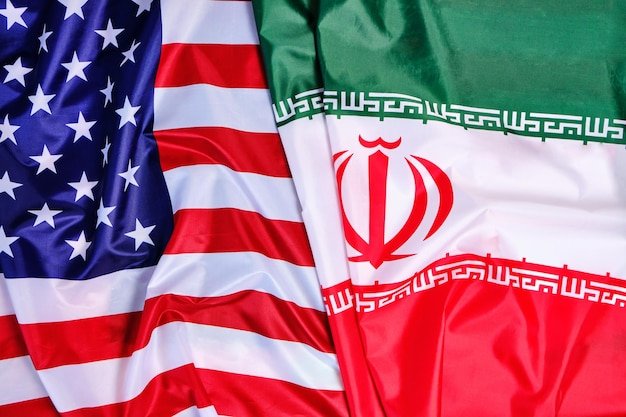
The prediction market on a US-Iran permanent peace deal by May 31, 2026, is trading at 22.5% probability, unchanged over the past 24 hours despite nearly $10 million in trading volume. The stability of these odds across sustained trading activity suggests a market consensus around the low probability of a comprehensive agreement within the specified timeframe. The market's definition of a qualifying agreement is deliberately stringent: any deal must explicitly state that military hostilities have permanently ended or will permanently cease, and temporary extensions or ceasefire agreements do not qualify.
Why It Matters
A permanent US-Iran peace deal would represent one of the most significant geopolitical developments in decades, potentially reshaping Middle Eastern stability, energy markets, and global security architecture. The resolution criteria—requiring either a formal written agreement signed by both governments or clear public confirmation from both capitals—establish a high bar that excludes diplomatic progress short of comprehensive settlement. With the deadline 16 months away, the 22.5% probability implies traders view substantial obstacles to achieving such an outcome, though not an impossible one.
Key Factors
Several structural factors are likely constraining market odds. Decades of mutual mistrust, competing regional interests, and disagreements over nuclear programs and sanctions have historically frustrated negotiation attempts. The market appears to price in the complexity of bridging fundamental differences: the US seeks guarantees against Iranian nuclear weapons development and regional military expansion, while Iran demands sanctions relief and recognition of its sovereignty. The recent April 2026 reference in the market description to a two-week ceasefire extension suggests active but limited diplomatic engagement rather than comprehensive settlement talks. Political dynamics in both capitals also matter—domestic constituencies on both sides have incentives to oppose permanent agreements, potentially constraining leaders' negotiating flexibility.
Outlook
Market movement in coming months will likely track concrete indicators of diplomatic progress or breakdown. Developments such as serious multilateral negotiations, third-party mediation breakthroughs, or public statements from either government indicating willingness to discuss permanent arrangements could shift odds upward. Conversely, military escalation, domestic political shifts in either country opposing talks, or failure to extend temporary ceasefires would pressure odds lower. The current 22.5% level suggests traders view a permanent deal as an outlier outcome rather than a baseline expectation, but one with meaningful probability—implying that while the structural barriers are substantial, pathways to agreement remain open if political will emerges in both capitals.