Market Overview
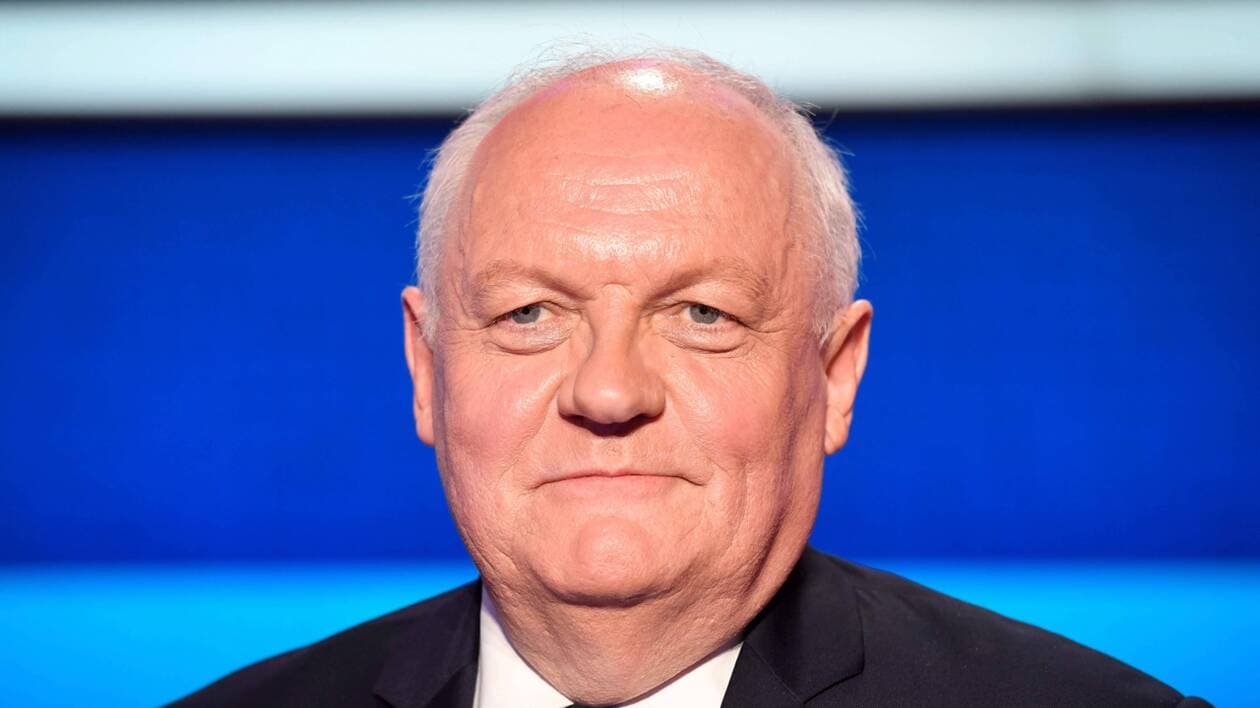
François Asselineau, the long-time leader of the anti-EU Union Populaire Républicaine (UPR), currently holds a 0.5% implied win probability in the 2027 French presidential prediction market, where nearly $3 million has been wagered. This minimal odds assignment places him far below established political figures and even most other fringe candidates, effectively pricing his victory as an extreme outlier scenario. The stability of this probability—unchanged from 24 hours prior—suggests market consensus rather than reactive trading, with the current valuation reflecting structural barriers to his candidacy rather than recent political developments.
Why It Matters
François Asselineau has mounted presidential campaigns in 2012, 2017, and 2022, each yielding less than 1% of first-round votes despite sustained organizational efforts and a dedicated base. As a perennial candidate, his performance serves as a baseline for measuring what constitutes genuine electoral viability in French presidential contests. The 0.5% probability effectively establishes a floor for truly marginal candidates—acknowledging that even persistent, organized campaigns lacking mainstream appeal rarely exceed single-digit vote shares. Understanding why such candidacies remain non-viable clarifies the structural dynamics that typically determine French presidential races, where geographic reach, media coverage, and institutional party backing remain decisive factors.
Key Factors
Asselineau's persistent inability to break through 1% of the vote across three presidential cycles represents his primary structural constraint. His anti-EU platform, while ideologically distinctive, competes in a crowded political space where both mainstream conservative and far-right candidates have absorbed similar euroskeptic sentiment more effectively. The UPR's organizational capacity, while genuine, remains limited compared to established parties. Electoral geography and media coverage present additional barriers: French presidential elections are heavily influenced by established media networks and institutional party infrastructure, domains where Asselineau maintains minimal presence. Demographic support for Asselineau appears concentrated but narrow, limiting his ability to assemble a coalition sufficient for first-round viability, let alone the sustained momentum required to reach a runoff.
Outlook
For Asselineau's probability to rise materially above 0.5%, the French political landscape would need to experience unprecedented fragmentation or a dramatic collapse in support for current major candidates—scenarios that prediction markets currently assess as improbable. A more significant consolidation of euroskeptic voters around his candidacy, or a major institutional realignment within French politics, would be required to shift his odds substantially. Barring such transformative developments, Asselineau is likely to remain positioned as a symbolic rather than consequential actor in the 2027 race, with his market valuation reflecting the mathematical probability that structural disadvantages will again prove insurmountable.