Market Overview
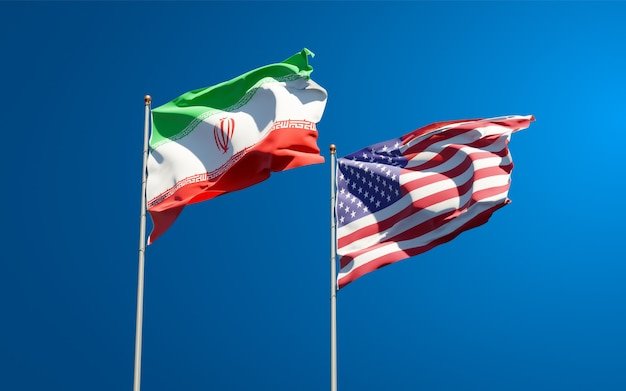
Prediction markets are pricing a US-Iran nuclear agreement at 31.5% probability through mid-2026, according to trading activity with over $1.4 million in volume. The relatively flat price action over the past 24 hours suggests the market has settled on a baseline assessment rather than reacting to breaking news. This probability implies that traders view such an agreement as possible but unlikely within the specified timeframe, with the base case favoring continued diplomatic gridlock.
Why It Matters
A nuclear deal between Washington and Tehran would represent a major geopolitical shift with implications for regional stability, global energy markets, and US foreign policy. The current assessment reflects the reality that Iran's nuclear program remains a central flashpoint in US-Iran relations, with significant domestic political resistance in both countries to major concessions. The 18-month window to June 2026 encompasses multiple potential political transitions that could alter negotiating dynamics, making the timeline itself a critical variable in assessing probability.
Key Factors
Several structural headwinds weigh against agreement odds. Previous nuclear negotiations, including the 2015 Joint Comprehensive Plan of Action (JCPOA), faced implementation challenges and political reversals. Current US administrations have alternated between engagement and confrontation with Iran, creating uncertainty about negotiating willingness. Iran's nuclear program has advanced since the JCPOA, potentially hardening both sides' negotiating positions. Domestic politics in both nations present obstacles—conservative factions in Iran oppose concessions, while US political divisions limit executive authority on major agreements. Conversely, factors that could support negotiation include mutual economic pressure, the absence of active military conflict, and both sides' interest in reducing sanctions-driven economic costs.
Outlook
The 31.5% probability suggests the market sees agreement as contingent on significant political or diplomatic shifts. Developments that could move this probability upward include direct high-level talks, UN or regional mediation efforts, or shifts in either country's political leadership toward a more negotiation-friendly stance. Conversely, further Iranian nuclear advances, military escalation in the region, or hardening of US political positions could push probability lower. The relatively modest volume compared to other geopolitical markets may also reflect limited retail attention to this issue, suggesting prices could shift if coverage intensifies or negotiations accelerate.