Market Overview
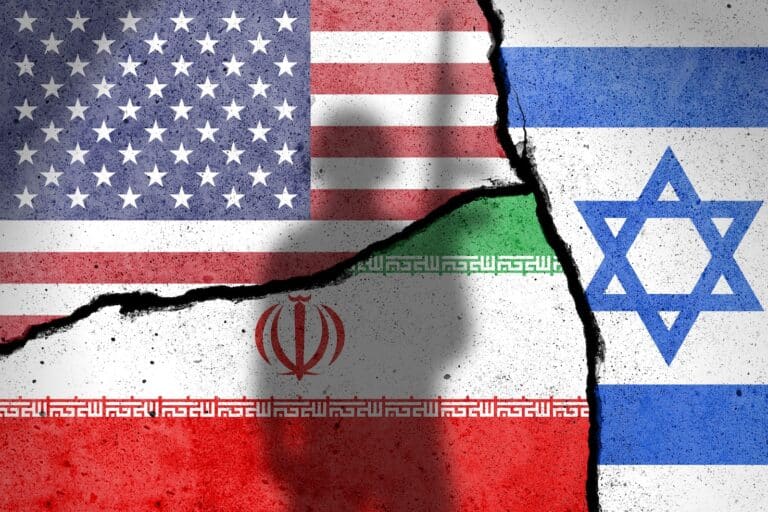
Prediction markets are currently assigning a 48.5% probability to the announcement of a US-Iran nuclear agreement by June 30, 2026—essentially reflecting maximum uncertainty about whether diplomacy will succeed. With trading volume exceeding $1.3 million, the market shows substantial interest in the outcome, yet the near-50/50 split indicates traders lack confidence in either scenario. The probability has remained flat over the past 24 hours, suggesting the market has already priced in current information and is waiting for new developments to shift expectations significantly.
Why It Matters
A nuclear agreement between the United States and Iran would represent one of the most consequential diplomatic achievements in recent Middle Eastern history, with implications for regional security, global oil markets, and the nuclear non-proliferation regime. The terms would likely address Iran's uranium enrichment capabilities, international inspections, and sanctions relief—issues that have been central to negotiations since the 2015 Joint Comprehensive Plan of Action (JCPOA) was abandoned by the Trump administration in 2018. For markets and policymakers, resolution of this question carries substantial weight: an agreement could ease tensions and stabilize energy prices, while failure would leave unresolved concerns about Iranian nuclear capabilities.
Key Factors
Several structural factors explain the market's cautious equilibrium. First, the diplomatic landscape remains deeply fractured: the Trump administration's 2018 withdrawal from the JCPOA created a trust deficit that persists across multiple administrations, and Iran has responded by advancing its own nuclear program, raising the technical complexity of any future deal. Second, domestic political constraints in both countries complicate negotiations—hardliners in Iran question the value of agreements with the US, while American policymakers face skepticism about Iran's willingness to comply. Third, the timeframe is relatively compressed: reaching an agreement within 18 months requires both sides to overcome fundamental disagreements and navigate intricate verification mechanisms. Regional factors, including Israel's strategic concerns about Iranian nuclear development and the ongoing proxy conflicts in Yemen and Syria, add additional pressure points that complicate bilateral negotiations.
Outlook
The 48.5% probability reflects a genuine fork in the road: traders see credible paths to both agreement and continued standoff, with no clear momentum in either direction. Movement in this market would likely be triggered by specific catalysts—a shift in Iranian leadership, a major change in US policy toward Iran, a breakthrough in preliminary talks, or an escalation that makes diplomacy seem impossible. The extended timeframe through June 2026 provides space for diplomatic efforts to mature, but it also allows structural obstacles to remain unresolved. Traders should monitor statements from both governments' nuclear negotiating teams, as well as broader geopolitical developments in the Middle East that could either create pressure for resolution or undermine negotiations entirely.