Market Overview
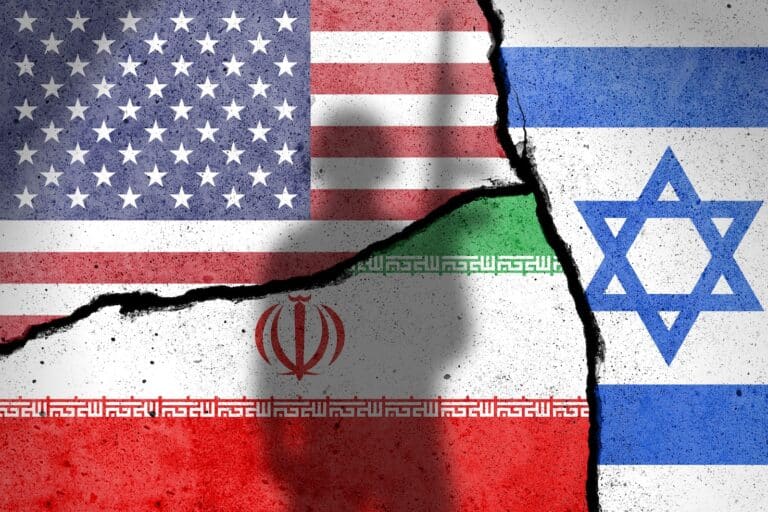
Prediction markets focused on potential military escalation in the Middle East are pricing an extremely low likelihood of direct US or Israeli strikes on Iranian territory through mid-April 2026. The market currently reflects a 100 percent probability that neither country will conduct drone, missile, or air strikes on Iran or its official diplomatic facilities during a full calendar day before the resolution date. With $28.7 million in trading volume, this represents one of the larger geopolitical risk markets, suggesting sustained investor interest in Iran conflict dynamics despite the low current odds.
Why It Matters
The market serves as a barometer for how participants assess near-term escalation risks in one of the world's most volatile regions. Military strikes by the US or Israel on Iranian soil would represent a dramatic escalation from current posture and could trigger broader regional conflict. The 100 percent \"no\" probability does not reflect certainty that conflict will be avoided—rather, it indicates that market participants believe the probability of such strikes occurring within the specified timeframe is sufficiently low that it does not justify trading at higher odds. This assessment carries implications for energy markets, defense spending, and regional stability expectations.
Key Factors
Several factors appear to be supporting the current market assessment. First, while US-Iran tensions remain elevated, there are no widely reported indications of imminent strike planning by either the US or Israel as of recent weeks. Second, the April 2026 timeframe extends 16 months into the future, providing a relatively long window in which current de-escalatory or stabilizing dynamics could persist. Third, the market's resolution criteria are deliberately narrow—strikes must occur on a full calendar day and be confirmed by a consensus of credible reporting within three days, creating a high bar for \"Yes\" resolution that may be reflected in the odds. Additionally, any confirmed strike would need to meet specific criteria (aerial ordnance, missiles, or drones impacting Iranian territory or official diplomatic facilities), excluding other forms of military action.
Outlook
The market's current pricing suggests that traders view the probability of escalation to direct strikes as remote under baseline expectations. However, this assessment could shift rapidly given the region's unpredictability. Developments that could move odds toward higher escalation probabilities would include renewed proxy attacks that US or Israeli leadership attributes directly to Iran's government, military buildups suggesting offensive preparations, or political shifts that alter deterrence calculations. Conversely, diplomatic breakthroughs, sanctions relief negotiations, or explicit de-escalation statements from key parties could reinforce current market pricing. The extended timeframe means this market will likely remain sensitive to shifting Middle East dynamics throughout 2025 and into 2026.