Market Overview
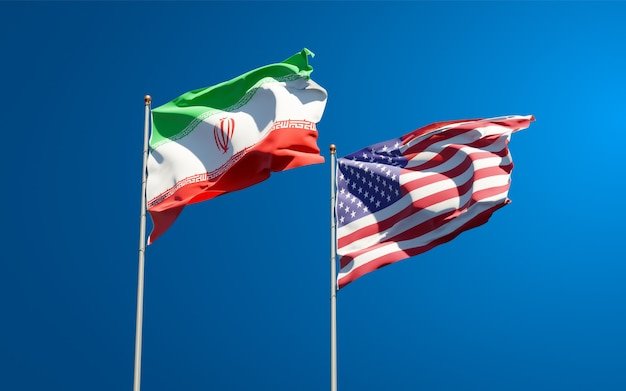
The prediction market for a US-Iran nuclear agreement by December 31, 2026, is trading at 53.5% probability—essentially a coin flip—with nearly $862,000 in volume. The flat trajectory over the past 24 hours suggests the market has settled into a relatively stable equilibrium, though the near-even odds underscore fundamental disagreement among traders about the likelihood of breakthrough negotiations within the next two years.
Why It Matters
A nuclear agreement between the US and Iran would represent one of the most consequential diplomatic developments in Middle Eastern geopolitics. The 2015 Joint Comprehensive Plan of Action (JCPOA), from which the Trump administration withdrew in 2018, significantly constrained Iran's nuclear program through inspections and enrichment limits. The absence of a deal since then has allowed Iran to advance its nuclear capabilities, increasing regional tensions and the risk of escalation. Whether the current US administration—or a successor following the 2024 election—can negotiate a new agreement carries implications for Israeli security, regional stability, and global nonproliferation efforts.
Key Factors
Several dynamics shape the 53.5% assessment. On the optimistic side, both parties have theoretical incentives to negotiate: Iran faces severe sanctions that constrain its economy, while the US has pursued diplomatic solutions to avoid military confrontation. The market's pricing suggests traders believe negotiations remain within the realm of possibility given the two-year window. However, significant barriers weigh against agreement. Iran's nuclear program has advanced substantially since 2018, potentially raising the cost of any agreement for the US. Domestic political constraints in both countries complicate negotiations—US hardliners oppose Iran deals broadly, while Iranian hardliners view nuclear capability as essential to national security. The broader geopolitical context, including recent regional tensions and proxy conflicts, creates an unstable backdrop for sustained diplomacy.
Outlook
The market's even-odds positioning reflects genuine uncertainty about whether diplomatic momentum can overcome structural obstacles. Key developments that could shift the probability include significant escalation events in the region, domestic political transitions in either country, or surprising diplomatic initiatives. The absence of sharp price movement in recent sessions suggests the market is currently comfortable with its assessment of conflicting pressures. Traders should monitor official statements from both governments and any signals about the scope of potential negotiations—whether confined to nuclear matters or broadened to include sanctions relief—as indicators of negotiating distance.