Market Overview
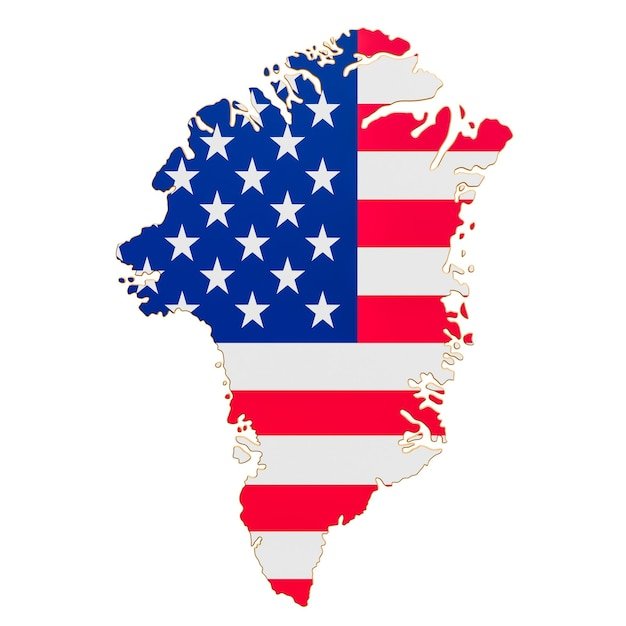
Prediction markets are pricing the possibility of U.S. acquisition of Greenlandic territory at 14%, with trading volume exceeding $9.6 million indicating substantial market interest in the question. The stable probability over the past 24 hours suggests the market has reached an equilibrium valuation rather than reacting to breaking news. At 14%, traders are estimating roughly 1-in-7 odds that some binding agreement transferring sovereignty or exclusive U.S. jurisdiction over Greenlandic land will be formalized by December 31, 2026—a timeline that encompasses roughly two years from the present.
Why It Matters
The question reflects a scenario that has moved from diplomatic fringe to measurable political possibility. President Trump's 2024 statements regarding U.S. interest in acquiring Greenland brought a previously theoretical geopolitical concept into public discourse and serious policy consideration. The market's 14% probability suggests traders view this not as fantasy but as a low-probability outcome with identifiable, if narrow, pathways to realization. The resolution criteria are deliberately strict—requiring binding legal instruments that establish sovereignty transfer or exclusive U.S. jurisdiction, not mere leases, basing agreements, or non-binding proposals. This high bar for qualification means the 14% reflects confidence in actual territorial transfer, not simply diplomatic progress or preliminary negotiations.
Key Factors Driving the Probability
Several structural factors support the current odds. First, Greenland's geopolitical importance—Arctic positioning, mineral resources, and strategic location—creates genuine U.S. interests independent of recent rhetoric. Second, Greenland's political status as an autonomous territory of Denmark, rather than a fully integrated province, creates a theoretical (if currently remote) framework for negotiated separation or alternative arrangements. Third, the two-year timeline allows for shifts in political conditions, both in the U.S. and among Danish and Greenlandic governments. Economic incentives, particularly related to Arctic resource development and Chinese competition for Arctic influence, could theoretically shift negotiating dynamics. Conversely, strong factors limiting upside probability include Danish constitutional and political resistance to ceding territory, Greenlandic self-determination interests, and the diplomatic costs such an arrangement would impose on U.S. relations with NATO allies. International law and precedent offer no clear framework for such transfers in the modern era, and no credible pathway to forced acquisition exists absent catastrophic geopolitical breakdown.