Market Overview
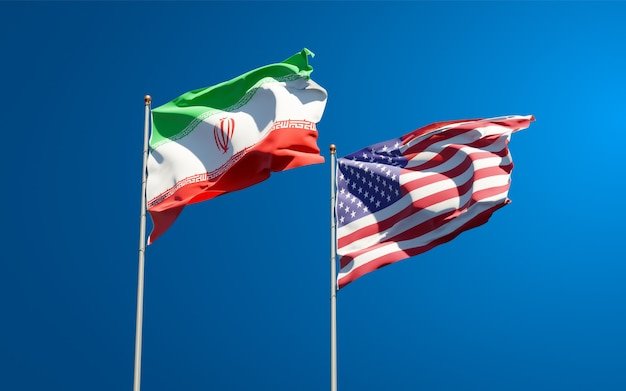
Prediction market traders are pricing a US-Iran nuclear agreement before the end of 2026 at 53.5 percent probability—essentially even odds with a slight lean toward a deal occurring within the timeframe. With over $860,000 in volume, the market reflects meaningful engagement from participants assessing the likelihood of nuclear diplomacy between Washington and Tehran. The stability of the odds over the past 24 hours suggests the market has settled into a pricing equilibrium absent recent geopolitical shocks, indicating traders view the outlook as genuinely uncertain rather than pointing toward an imminent breakthrough.
Why It Matters
A new US-Iran nuclear agreement would represent one of the most significant shifts in Middle Eastern geopolitics in recent years. The Joint Comprehensive Plan of Action (JCPOA), signed in 2015, was abandoned by the Trump administration in 2018, triggering a cycle of escalating nuclear programs by Iran and tightening US sanctions. Whether a successor agreement can be negotiated would signal whether the incoming or sitting US administration is willing to reengage on nuclear diplomacy, and whether Iran views negotiated constraints as preferable to advancing its nuclear capabilities. The market's 50-53 percent range reflects genuine bifurcation in how analysts assess these possibilities.
Key Factors
Several structural factors underpin the current market equilibrium. First, US political orientation matters enormously: a Democratic administration has shown greater openness to nuclear negotiations with Iran, while Republican positions have traditionally opposed JCPOA-style agreements. Second, Iran's nuclear advancement since 2018—including enrichment of uranium to higher purity levels and accumulated stockpiles—has fundamentally altered negotiating dynamics; any new deal would need to address a more advanced program. Third, regional tensions involving Israel, Hezbollah, and proxy actors create cycles of escalation that make sustained diplomacy difficult. Fourth, domestic political constraints within Iran also shape Tehran's negotiating flexibility. The 24-month window to end-2026 compresses what historically has been a multi-year negotiation process, adding time pressure to the equation.
Outlook
For odds to shift meaningfully higher, traders would likely require signals of active, high-level diplomatic channels being opened or a major geopolitical reset that deprioritizes nuclear confrontation. Movement below 50 percent would imply growing skepticism that negotiation frameworks can be established quickly enough. The market's current positioning—slightly above the coin-flip line—suggests participants view a deal as plausible but contingent on developments beyond current baseline assumptions. Key inflection points would include public statements signaling willingness to negotiate, any back-channel diplomatic activity becoming public, or major changes in regional security dynamics that shift calculation for either side.