Market Overview
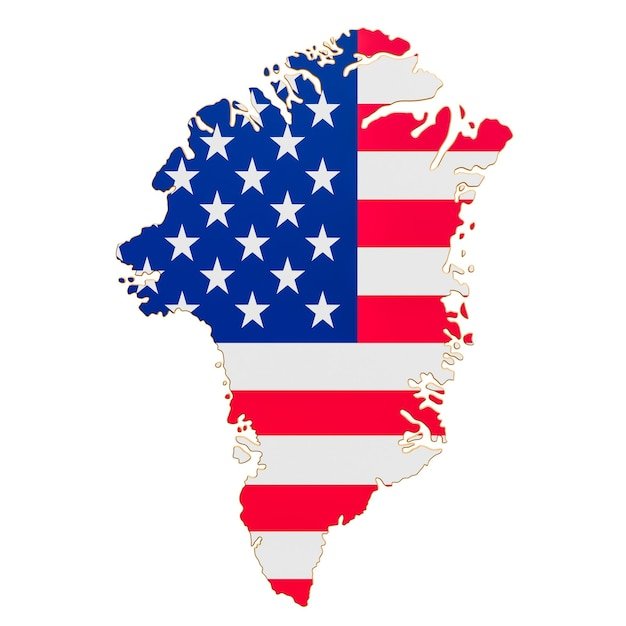
A prediction market on US acquisition of Greenlandic territory is trading at 14% implied probability, with roughly $9.7 million in volume. The contract requires a binding agreement or legal instrument transferring sovereignty or establishing primary US jurisdiction over defined Greenlandic land—significantly higher bars than mere negotiations, leases, or basing rights. The probability has remained stable over the past 24 hours, suggesting market consensus around this baseline estimate rather than reaction to breaking news.
Why It Matters
The question reflects renewed attention to Greenland following public statements by US officials about strategic interest in the territory. Greenland holds geopolitical significance due to its Arctic location, mineral resources, and proximity to Russian territory. However, Greenland is an autonomous territory within the Kingdom of Denmark, and any territorial transfer would require extraordinary diplomatic coordination involving Greenlandic self-determination principles, Danish sovereignty, and US legislative action. The market's modest 14% probability suggests traders view such an outcome as possible under extraordinary circumstances but unlikely within the timeframe.
Key Factors
Several dynamics shape current pricing. First, political statements about acquiring Greenland face immediate practical obstacles: Denmark has constitutionally guaranteed Greenland's self-determination, and Greenlandic public opinion does not favor US control. Second, the resolution criteria are deliberately strict—non-binding negotiations, MOUs, or access agreements do not qualify, requiring instead a signed treaty, legislation, or binding legal instrument. Third, even if negotiations began immediately, completing a territorial transfer by December 2026 would compress typical diplomatic timelines significantly. Fourth, any such acquisition would likely face domestic US political resistance and require Congressional action, adding procedural complexity. The 14% figure may reflect scenarios where geopolitical crises or major shifts in Arctic strategy create unusual political conditions.
Outlook
Market movement will likely depend on concrete developments rather than rhetoric alone: binding negotiations, leaked diplomatic proposals with legal frameworks, or changes in Greenlandic political leadership favoring such arrangements could shift probabilities upward. Conversely, explicit Danish or Greenlandic rejections of territorial discussions would likely compress odds further. The stable 24-hour price suggests the market has already priced in current public statements and is waiting for actionable diplomatic signals. Given the stringent legal requirements, substantial time remaining in the contract period, and current political positions across involved parties, the 14% level appears to reflect a low-probability but non-negligible tail scenario rather than an expected outcome.