Market Overview
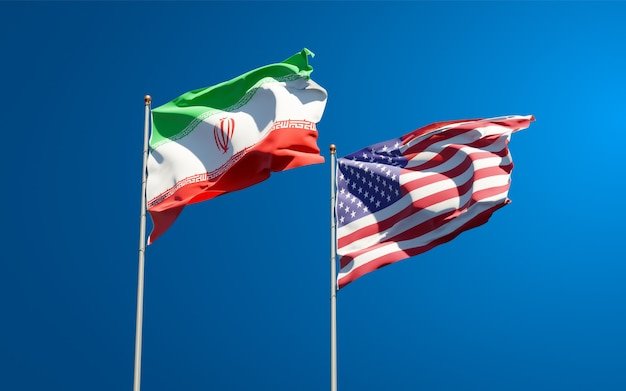
The prediction market for a US-Iran nuclear agreement before 2027 is currently priced at 53.5%, indicating near-parity between traders who expect a deal and those skeptical one will materialize. With approximately $862,000 in volume, the market shows sustained interest despite the flat probability trajectory over the past day, suggesting the market has settled into a relatively stable assessment of diplomatic prospects.
Why It Matters
A US-Iran nuclear agreement would represent a significant geopolitical shift and would likely impact regional stability, energy markets, and international relations broadly. The question of whether negotiations resume and succeed carries implications for sanctions policy, nuclear proliferation risk, and US diplomatic positioning in the Middle East. The 53.5% probability reflects genuine uncertainty about whether either side will move toward negotiations in the next 24 months, given competing domestic and international pressures on both administrations.
Key Factors
Several variables are influencing market pricing. The current US administration's approach to Iran policy—whether continuing a more hawkish stance or shifting toward engagement—remains a primary driver. On Iran's side, internal political dynamics, economic conditions, and strategic calculations about sanctions relief versus nuclear advancement shape willingness to negotiate. The timeline is also consequential: achieving an official agreement by December 2026 requires both parties to initiate serious talks in the near term, as comprehensive nuclear negotiations typically demand substantial time. The market's assessment at roughly 50-50 suggests traders view this timeframe as genuinely uncertain, without strong conviction in either direction.
Outlook
The market could shift materially based on several developments: explicit statements by either government indicating willingness to negotiate, changes in regional security dynamics, sanction policy announcements, or domestic political transitions. Absence of near-term negotiation signals would likely push odds lower, while public diplomatic overtures could raise them. Given the 53.5% probability reflects a close-call assessment, watch for concrete indicators of negotiation readiness from either the US or Iran as the primary catalyst for directional movement.