Market Overview
The prediction market for a US-Iran nuclear deal by mid-2026 is currently priced at 31.5%, suggesting moderate skepticism about the likelihood of a comprehensive agreement within the next 18 months. With over $1.4 million in trading volume, the market reflects sustained interest from traders assessing the complex geopolitical dynamics surrounding Iran's nuclear program. The probability has remained stable over the past 24 hours, indicating that traders view the current trajectory as relatively settled despite ongoing diplomatic uncertainty.
Why It Matters
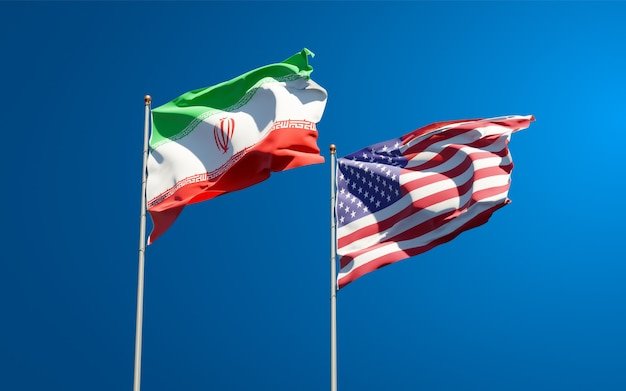
A nuclear agreement between the US and Iran would represent one of the most significant diplomatic developments in recent Middle Eastern affairs. The 2015 Joint Comprehensive Plan of Action (JCPOA), from which the United States withdrew in 2018, had constrained Iran's nuclear program in exchange for sanctions relief. Any new accord would likely reshape regional security calculations, impact global energy markets, and influence US-Iran relations at a time of heightened tensions. The market's 31.5% probability suggests traders view a deal as plausible but facing substantial headwinds.
Key Factors
Several structural obstacles explain the modest odds. The Trump administration's withdrawal from the JCPOA and subsequent \"maximum pressure\" campaign created deep mistrust between the parties. Iran has since advanced its nuclear program significantly—enriching uranium to near-weapons-grade levels and installing advanced centrifuges—raising the bar for what any agreement would need to achieve. Political dynamics in both countries complicate negotiations: hardliners in Iran oppose compromises, while the US political environment remains divided on engagement with Tehran. Additionally, Iran's support for regional proxy forces and weapons programs extends beyond nuclear issues, making a narrow nuclear-only deal less likely to satisfy US concerns.
However, factors supporting negotiation possibilities remain present. Both countries face incentives to reduce tensions and sanctions-induced economic strain. The timeframe through June 2026 is long enough for diplomatic channels to develop, particularly if political circumstances shift or crisis prevention becomes urgent. Any agreement would only need to be announced—not necessarily implemented—to resolve the market affirmatively, lowering the technical bar slightly.
Outlook
The 31.5% probability reflects genuine uncertainty rather than overwhelming pessimism or optimism. A significant escalation in regional conflict, Iranian nuclear weapons advancement, or major shifts in US or Iranian leadership could push odds materially lower. Conversely, unexpected diplomatic breakthroughs, crisis escalation forcing negotiation, or explicit signals of engagement from either party could drive the probability notably higher. Traders should monitor statements from senior officials, developments in Iran's nuclear program, and shifts in regional security dynamics as primary indicators of market movement.