Market Overview
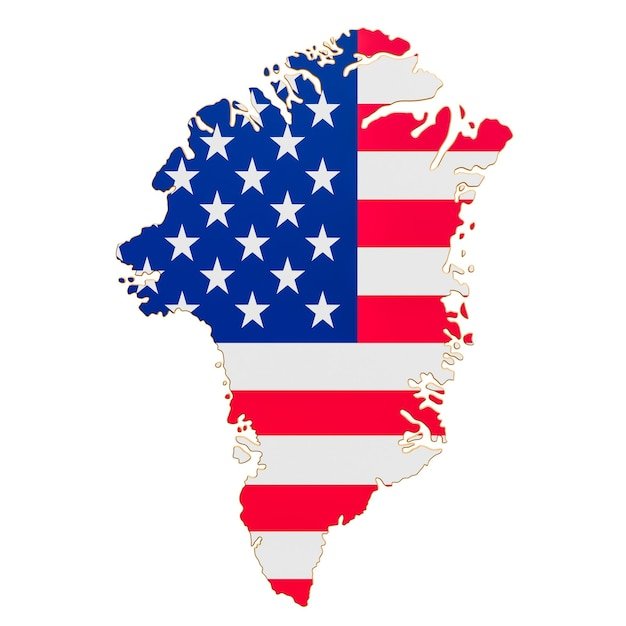
Prediction markets are currently pricing the odds of US territorial acquisition in Greenland at 14%, with significant volume of nearly $9.7 million indicating substantial trader interest in the outcome. The probability has remained stable over the past 24 hours, suggesting the market has settled on a consensus view that treats the scenario as unlikely but distinctly possible. The resolution criteria are strictly defined: only a binding agreement or legal instrument transferring sovereignty, or establishing exclusive U.S. jurisdiction over defined territory, would qualify. Non-binding statements, proposals, or leasing arrangements—such as military access agreements—explicitly do not meet the threshold.
Why It Matters
Greenland's strategic location in the Arctic, combined with its mineral resources and growing geopolitical importance as polar ice recedes, has elevated its prominence in U.S. foreign policy discussions. The 14% odds reflect a market assessment that while a formal territorial acquisition faces substantial diplomatic, legal, and political obstacles, the possibility cannot be dismissed entirely given the fluid nature of Arctic geopolitics and potential shifts in U.S. administration priorities. Such an acquisition would be unprecedented in modern international relations and would fundamentally alter regional power dynamics.
Key Factors
Several dynamics underpin the current 14% assessment. First, Denmark's legal sovereignty over Greenland and Greenland's increasing autonomy as a self-governing territory create structural barriers to any territorial transfer without explicit consent from both parties. Second, international law and norms against territorial acquisition in the modern era, combined with potential economic and diplomatic costs to the U.S., weigh heavily against formal sovereignty transfers. Third, the market appears to assign some probability to scenarios where geopolitical crises, changes in Danish or Greenlandic political leadership, or shifts in U.S. strategic doctrine could alter political feasibility. The definition of \"acquisition\" also allows for a Guantánamo-style exclusive jurisdiction arrangement rather than outright sovereignty, which slightly lowers the political bar compared to full territorial incorporation.
Outlook
Market movements would likely be triggered by concrete developments: binding diplomatic proposals from U.S. or Danish governments, significant changes in Greenlandic or Danish electoral politics, or major Arctic security incidents that shift strategic calculations. The current 14% implies traders see multiple paths to resolution as improbable but view zero probability as unrealistic given the two-year timeframe and potential for unexpected geopolitical shifts. Sustained probability movements would require signaling of serious, binding-stage negotiations rather than continued diplomatic rhetoric or non-binding frameworks.