Market Overview
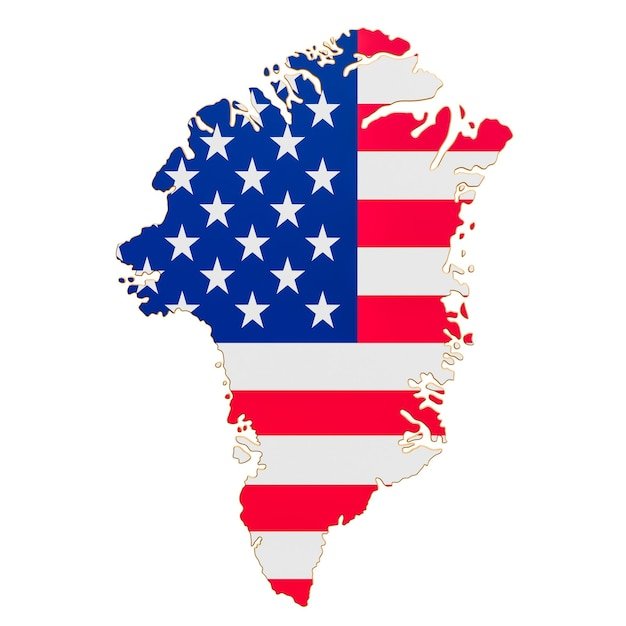
The prediction market for US acquisition of Greenlandic territory has stabilized at a 14% probability, with trading volume exceeding $9.6 million indicating substantial investor interest in the geopolitical question. The market has remained flat over the past 24 hours, suggesting consensus around the current odds rather than shifting expectations. The resolution criteria are precise: only binding agreements transferring sovereignty or establishing exclusive US jurisdiction—such as a treaty, legislation, or Guantánamo-style arrangement—would qualify, excluding non-binding proposals, basing rights, or lease agreements.
Why It Matters
The question reflects real diplomatic activity following renewed US interest in Greenland's strategic Arctic location and resource wealth. Greenland's positioning as a potential bulwark against Chinese and Russian influence in the Arctic, combined with its mineral deposits and geopolitical significance, has elevated its profile in US strategic thinking. However, the 14% market probability suggests traders view the political and legal obstacles to formal territorial acquisition as substantial, despite rhetorical support from senior US officials. The outcome carries implications for NATO cohesion, Denmark's sovereignty concerns, and Arctic geopolitics broadly.
Key Factors
Several structural impediments support the market's skeptical baseline. Denmark maintains sovereignty over Greenland while granting it extensive home rule, and both Copenhagen and Nuuk have publicly rejected territorial cession. The Danish public and political establishment have uniformly opposed any loss of territory. For a binding agreement to materialize, it would require either breakthrough negotiations that reverse current stated positions or a dramatic shift in Greenlandic or Danish politics. The tight 24-month timeline compounds the challenge: even enthusiastic negotiators would face years of legislative process, public debate, and legal formalities. The market's 14% reflects this gap between political rhetoric and institutional realities—enough probability to account for unexpected diplomatic breakthroughs or unforeseen geopolitical crises, but acknowledging that formal territorial transfer remains a low-likelihood scenario.
Outlook
Market movement will likely hinge on concrete developments: signed agreements, legislative proposals with serious backing, or formal Danish/Greenlandic policy shifts would increase odds materially. Conversely, continued diplomatic statements without binding instruments would probably reinforce the current probability. The market appears rationally calibrated to distinguish between attention-grabbing proposals and legally executable transfers of control. Unless negotiations produce actual treaty language or binding agreements by late 2026, the probability should remain in the single-digit-to-low-teens range.