Market Overview
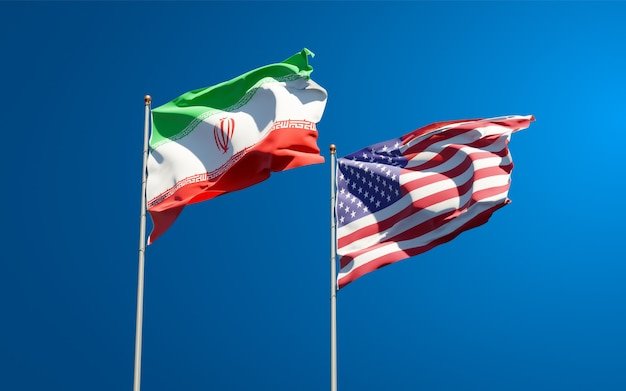
Prediction markets are assigning a 53.5% probability to an official US-Iran nuclear agreement by December 31, 2026, according to data from active trading in this market. With nearly $862,000 in trading volume, the pricing reflects genuine uncertainty among traders about whether substantive diplomacy will succeed before the deadline. The odds are essentially split between a deal and no deal, indicating that market participants view the outcome as highly contingent on political developments rather than a likely or unlikely scenario.
Why It Matters
A US-Iran nuclear accord would represent a significant geopolitical shift and could reduce tensions in the Middle East, ease international sanctions on Iran, and provide framework for monitoring Iranian nuclear activities. Conversely, continued diplomatic deadlock heightens risks of nuclear escalation, regional conflict, and further economic isolation of Iran. The market's current probability reflects that both outcomes remain plausible, depending on shifts in US administration priorities, Iranian domestic politics, and international pressure.
Key Factors
Several variables will determine whether an agreement materializes before end-2026. The current US political environment and administration's stance toward Iran diplomacy is paramount—previous US withdrawals from nuclear accords (notably the JCPOA in 2018) have illustrated how dramatically policy can shift. Iran's willingness to negotiate and its domestic constraints, particularly competing hardline factions, also weigh heavily on prospects. International involvement from European nations, Russia, and China could either facilitate or complicate negotiations. Additionally, any escalatory incidents—whether military action, cyberattacks, or proxy conflicts—could make diplomacy untenable regardless of political will.
Outlook
The 53.5% probability suggests the market sees meaningful but not overwhelming chances of a breakthrough. For the odds to shift materially higher, traders would likely need to see signals of genuine diplomatic engagement, back-channel talks, or statements from either government indicating serious negotiations. Conversely, explicit statements ruling out talks, military escalation, or leadership changes emphasizing hardline positions could drive probability lower. Given the compressed timeline—less than two years—any agreement would need to move through preliminary talks and negotiation phases relatively quickly, making the even-odds assessment reflective of genuine structural uncertainty rather than a consensus view.