Market Overview
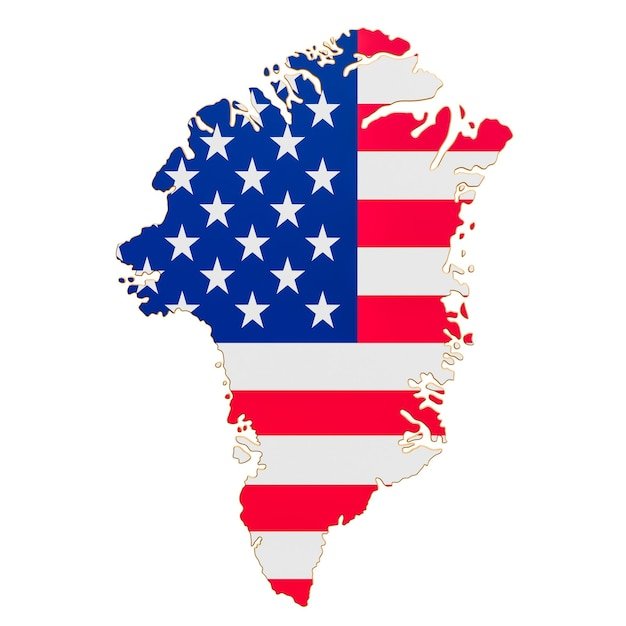
The prediction market assessing the likelihood of US acquisition of Greenlandic territory by December 31, 2026, is currently trading at 14% implied probability. This represents a modest but non-negligible baseline expectation among market participants that some form of territorial transfer or jurisdictional control could occur within the specified timeframe. The $9.7 million in trading volume indicates this is a closely watched market, attracting both political speculators and those tracking Arctic geopolitics.
Why It Matters
Greenland's strategic importance has grown considerably in recent years due to climate change, Arctic resource accessibility, and its proximity to major shipping routes and North American defense infrastructure. The island remains an autonomous territory within the Danish Realm, but questions about its political future periodically emerge in US policy circles. The market's resolution criteria are deliberately precise, requiring binding legal instruments—such as treaties, legislation, or executive actions—rather than mere proposals or negotiations. This high bar reflects the extraordinary nature of such a territorial shift, making the 14% probability noteworthy as a reflection of market participants' genuine, if modest, assessment of possibility.
Key Factors
Several dynamics inform the current pricing. First, recent US political statements and discussions about Arctic acquisition have generated headlines and sustained attention, though no formal binding proposals have materialized. Second, the timeframe is compressed—just two years—which constrains the window for what would be an unprecedented geopolitical transaction. Historical precedent suggests major territorial transfers typically require extended diplomatic processes or extraordinary circumstances. Third, the market's definition excludes non-binding arrangements, leases, and base access agreements, focusing solely on sovereignty or primary jurisdictional control. Denmark and Greenland have shown no indication of pursuing such arrangements, and the political obstacles to any such deal remain substantial. Fourth, the requirement that resolution sources include official government statements or consensus credible reporting sets a high evidentiary bar.
Outlook
The stable probability at 14% suggests the market has largely priced in the current state of geopolitical reality: heightened US interest in Arctic affairs, but minimal formal progress toward actual territorial acquisition. Developments that could shift odds significantly would include official diplomatic proposals with binding frameworks, legislative action in either the US or Danish/Greenlandic governments, or dramatic geopolitical shifts that alter strategic calculations. Conversely, explicit official denials or policy statements ruling out such acquisitions could reduce probability further. The market appears calibrated to reflect genuine uncertainty around longer-term Arctic policy while acknowledging the substantial hurdles to any near-term territorial transfer.